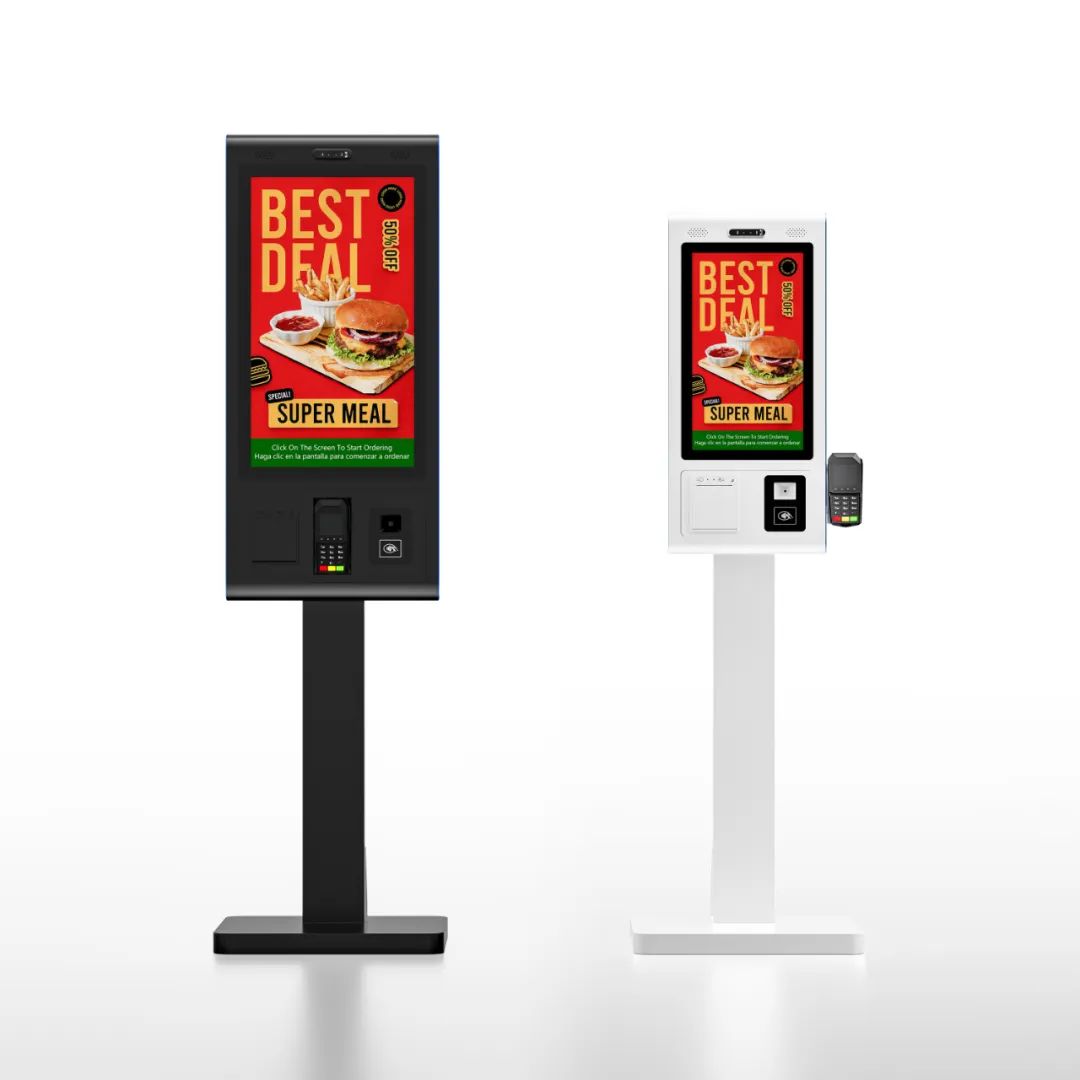
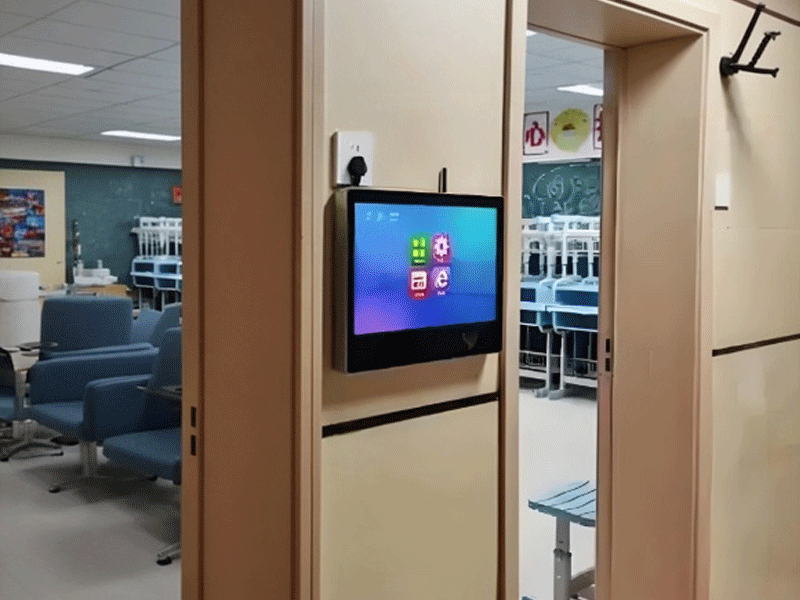
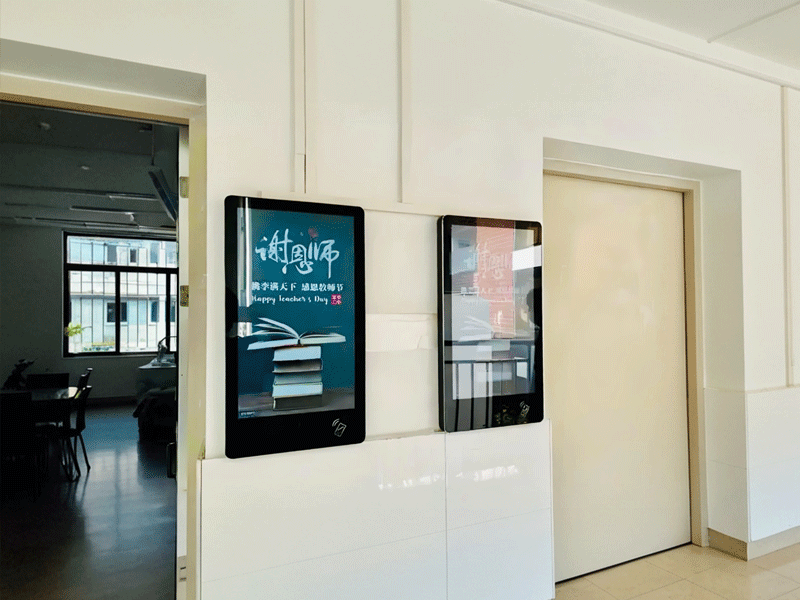
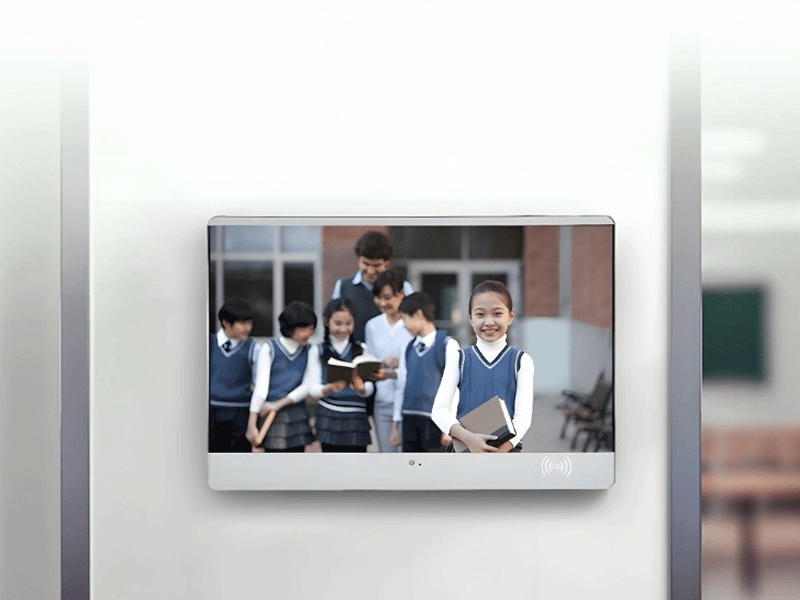
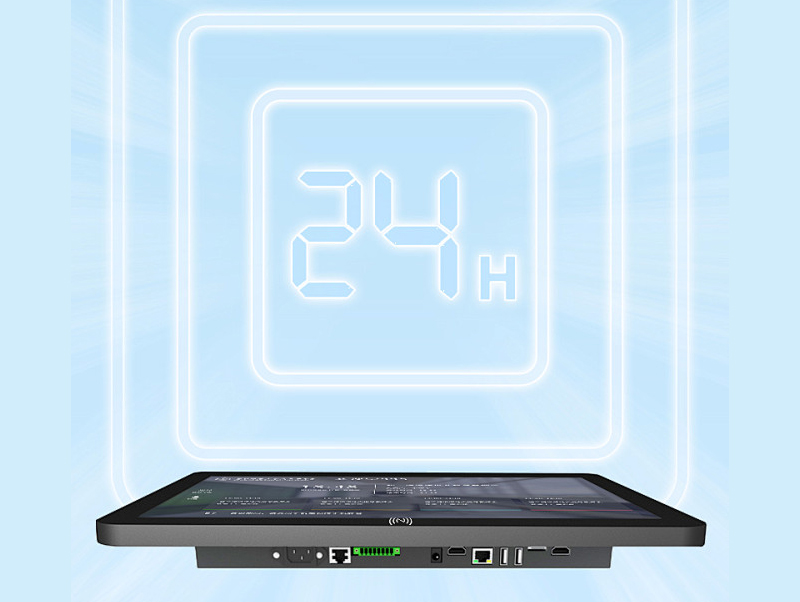
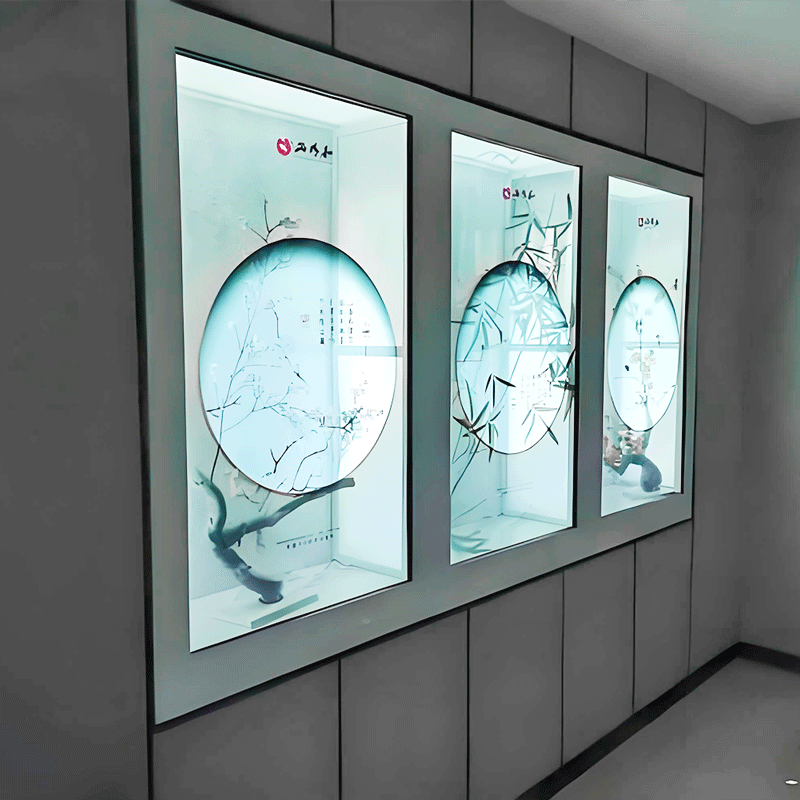

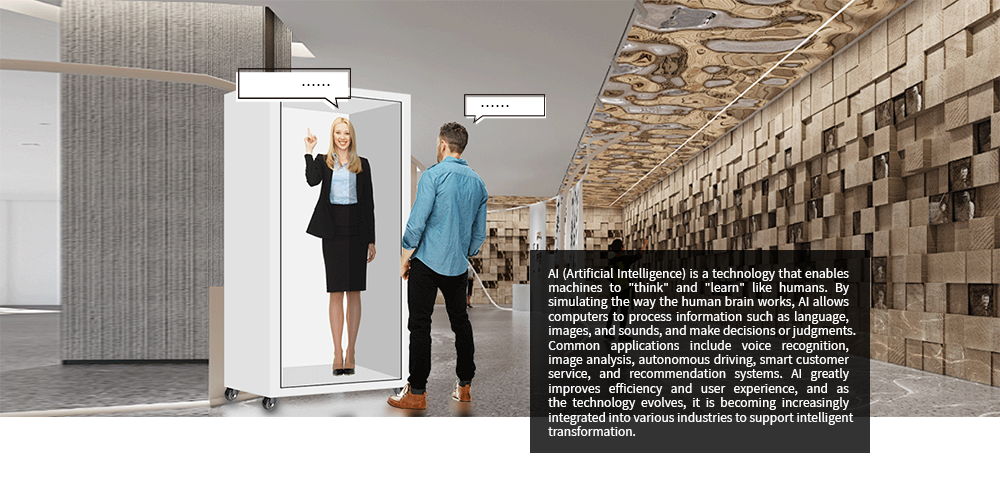
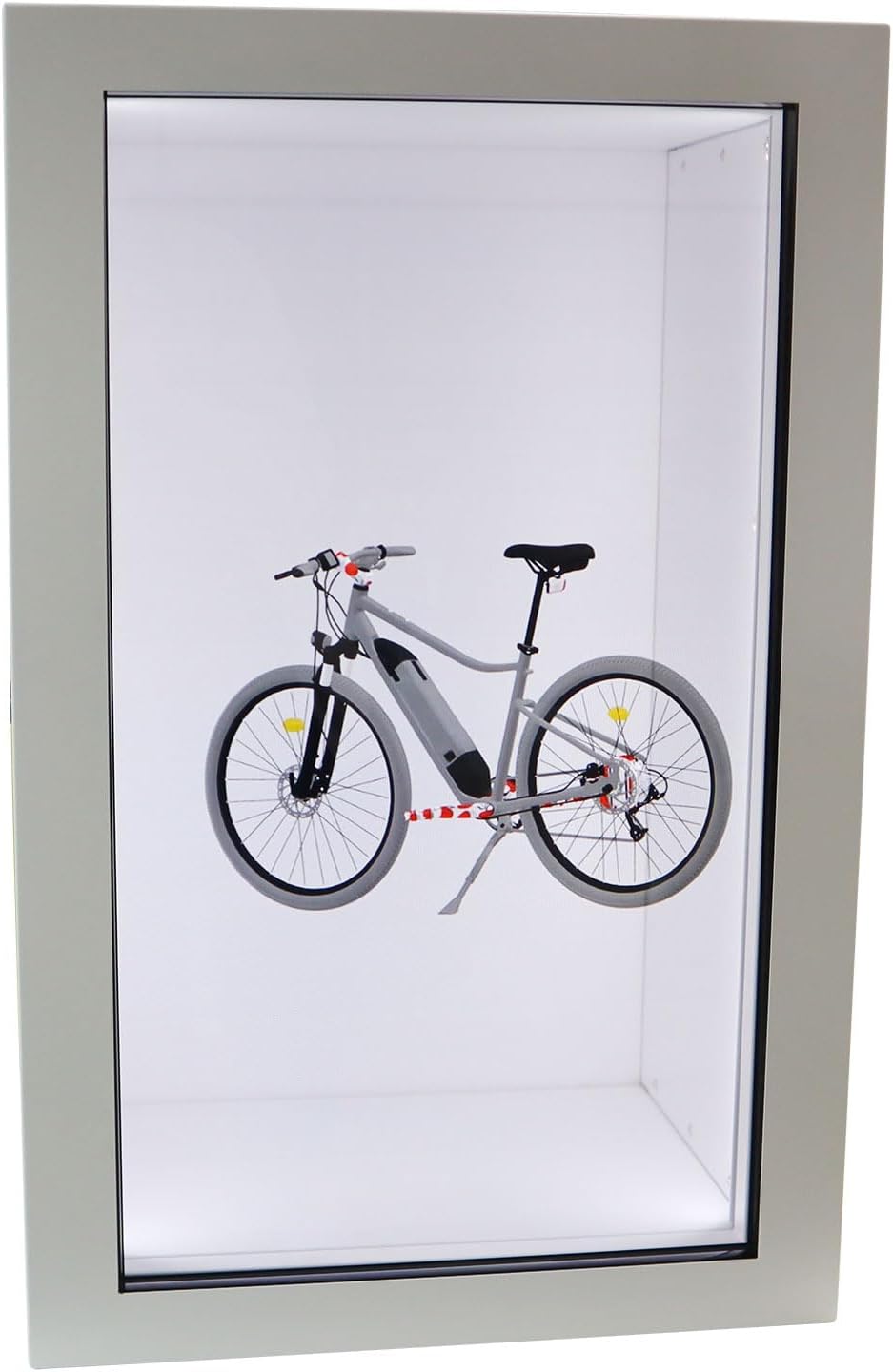
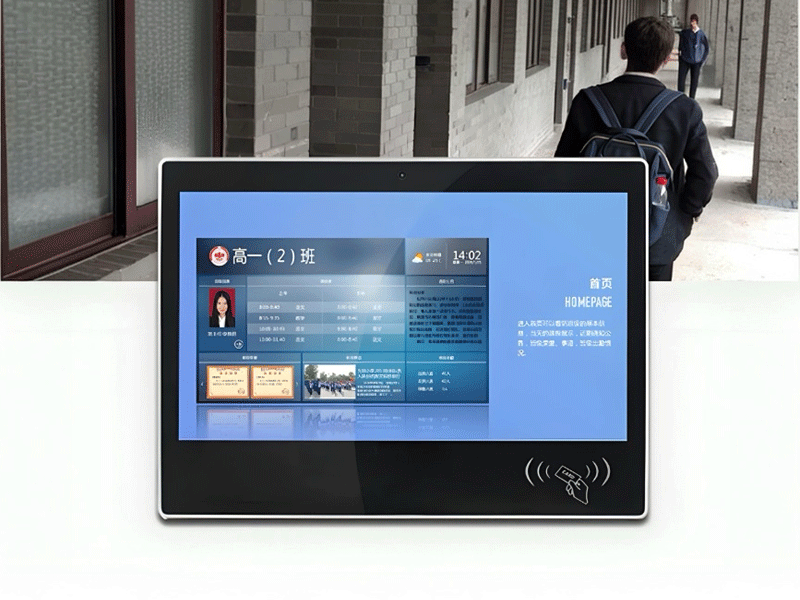
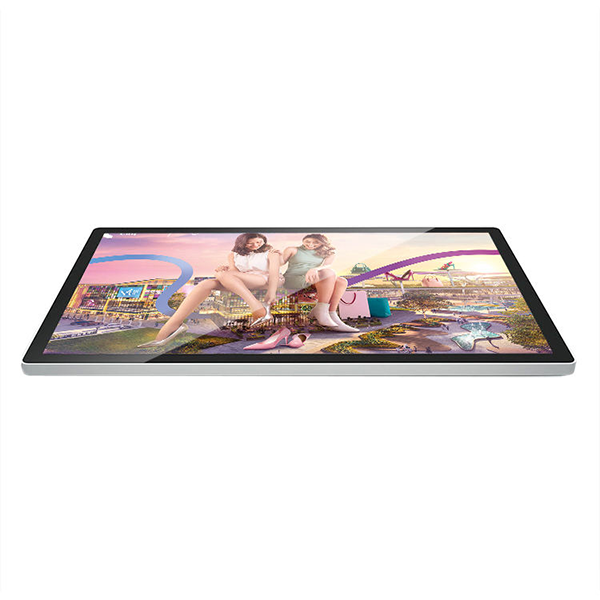
School address signage board door number channel letter house electronic class sign screen monitor

electronic class sign-6
$350
Feature: predator gaming monitor;onn monitor;the best gaming monitor;apple cinema display 27
Size: 10.1'';13.3'';15.6'';19'';21.5'';27'';32'';50'';55'';18.5'';24'';43'';49'';20cmx20cm;25cmx25cm
Operation System: Android;Windows
Screen: Touchscreen;Non-touch screen
Installation: Vertical;Horizontal;Wall-mounted;Portable
Type: Advertising Machine;Digital Signage Display;Teaching All-in-one Machine
Product Details
Product Details

An In-Depth Analysis of 1000:1 (TYP) Contrast Ratio in Electronic Classboards Introduction: The Significance of Contrast in Electronic Classboards Electronic classboards have become indispensable in modern education, serving as dynamic platforms for information display, teaching materials, and campus notifications. At the core of their visual performance lies the contrast ratio, a critical metric that determines the clarity, readability, and visual impact of content. A contrast ratio of 1000:1 (TYP, typically) signifies a balance between technical feasibility and practical utility, tailored to the unique demands of educational environments. Defining 1000:1 Contrast Ratio: Technical Fundamentals The contrast ratio measures the difference between the brightest white (Lmax) and darkest black (Lmin) a display can produce, expressed as a ratio. A 1000:1 ratio means the display’s white luminance is 1000 times brighter than its black luminance under typical conditions. For example, if a display’s white reaches 300 nits (cd/m²), its black level would be 0.3 nits. This ratio is denoted as "TYP" to indicate it represents an average performance value across standard operating conditions, distinguishing it from "MAX" (peak performance under ideal settings). Why 1000:1 (TYP) Is Optimal for Educational Settings 1. Balanced Performance in Diverse Lighting Classrooms often have varying light sources—natural light from windows, fluorescent overheads, or projector beams. A 1000:1 contrast ratio ensures text and images remain legible without excessive glare or washed-out colors. For instance, when displaying exam schedules or colorful educational graphics, the deep blacks prevent light bleed, while vibrant whites maintain clarity even in well-lit rooms. 2. Enhanced Readability for Text-Heavy Content Electronic classboards frequently display notices, timetables, and educational text. A 1000:1 ratio optimizes the black-on-white contrast, reducing eye strain for students and teachers. Studies show that high contrast improves reading speed and comprehension, making it ideal for prolonged use in lectures or campus announcements. 3. Cost-Effectiveness vs. High-End Ratios While ratios like 2000:1 or higher offer deeper blacks, they often require more expensive technologies (e.g., OLED panels) or consume more power. A 1000:1 (TYP) ratio achieves 90% of the visual benefits at a fraction of the cost, making it a practical choice for schools with budget constraints. 5. Real-World Applications and Visual Impact Scenario 1: Morning Classroom with Sunlight In a classroom facing east, sunlight can wash out low-contrast displays. A 1000:1 classboard maintains clear text on a white background, as the black elements absorb ambient light rather than reflecting it. Scenario 2: Multimedia Teaching Materials When displaying videos or diagrams, the ratio ensures color gradients and details are visible. For example, a biology diagram with subtle shading or a historical photo in grayscale remains crisp, aiding visual learning. Scenario 3: Nighttime Campus Notifications At night, the classboard’s black levels prevent excessive brightness, avoiding distraction while ensuring emergency alerts or event updates are visible.
Technical Considerations for 1000:1 Classboards

Panel Technology: Most 1000:1 classboards use LCD panels with LED backlighting, which balances contrast and durability.

Calibration: Manufacturers calibrate displays to maintain 1000:1 under typical viewing angles (e.g., 170°), ensuring consistency for students seated across the room.

Environmental Factors: Temperature and humidity can slightly affect contrast, but modern classboards include thermal management systems to stabilize performance.

Conclusion: The Value of 1000:1 (TYP) in Educational Displays

A contrast ratio of 1000:1 (TYP) strikes a pivotal balance in electronic classboards—offering robust readability, energy efficiency, and cost-effectiveness for educational settings. It addresses the core needs of classrooms, where clarity during both daylight lessons and nighttime operations is non-negotiable. As schools embrace digital transformation, this ratio emerges not just as a technical spec, but as a foundational element for enhancing teaching and learning experiences.

We use cookie to improve your online experience. By continuing to browse this website, you agree to our use of cookie.

Cookies

Please read our Terms and Conditions and this Policy before accessing or using our Services. If you cannot agree with this Policy or the Terms and Conditions, please do not access or use our Services. If you are located in a jurisdiction outside the European Economic Area, by using our Services, you accept the Terms and Conditions and accept our privacy practices described in this Policy.
We may modify this Policy at any time, without prior notice, and changes may apply to any Personal Information we already hold about you, as well as any new Personal Information collected after the Policy is modified. If we make changes, we will notify you by revising the date at the top of this Policy. We will provide you with advanced notice if we make any material changes to how we collect, use or disclose your Personal Information that impact your rights under this Policy. If you are located in a jurisdiction other than the European Economic Area, the United Kingdom or Switzerland (collectively “European Countries”), your continued access or use of our Services after receiving the notice of changes, constitutes your acknowledgement that you accept the updated Policy. In addition, we may provide you with real time disclosures or additional information about the Personal Information handling practices of specific parts of our Services. Such notices may supplement this Policy or provide you with additional choices about how we process your Personal Information.


Cookies

Cookies are small text files stored on your device when you access most Websites on the internet or open certain emails. Among other things, Cookies allow a Website to recognize your device and remember if you've been to the Website before. Examples of information collected by Cookies include your browser type and the address of the Website from which you arrived at our Website as well as IP address and clickstream behavior (that is the pages you view and the links you click).We use the term cookie to refer to Cookies and technologies that perform a similar function to Cookies (e.g., tags, pixels, web beacons, etc.). Cookies can be read by the originating Website on each subsequent visit and by any other Website that recognizes the cookie. The Website uses Cookies in order to make the Website easier to use, to support a better user experience, including the provision of information and functionality to you, as well as to provide us with information about how the Website is used so that we can make sure it is as up to date, relevant, and error free as we can. Cookies on the Website We use Cookies to personalize your experience when you visit the Site, uniquely identify your computer for security purposes, and enable us and our third-party service providers to serve ads on our behalf across the internet.

We classify Cookies in the following categories:
 ●  Strictly Necessary Cookies
 ●  Performance Cookies
 ●  Functional Cookies
 ●  Targeting Cookies


Cookie List
A cookie is a small piece of data (text file) that a website – when visited by a user – asks your browser to store on your device in order to remember information about you, such as your language preference or login information. Those cookies are set by us and called first-party cookies. We also use third-party cookies – which are cookies from a domain different than the domain of the website you are visiting – for our advertising and marketing efforts. More specifically, we use cookies and other tracking technologies for the following purposes:

Strictly Necessary Cookies
These cookies are necessary for the website to function and cannot be switched off in our systems. They are usually only set in response to actions made by you which amount to a request for services, such as setting your privacy preferences, logging in or filling in forms. You can set your browser to block or alert you about these cookies, but some parts of the site will not then work. These cookies do not store any personally identifiable information.

Functional Cookies
These cookies enable the website to provide enhanced functionality and personalisation. They may be set by us or by third party providers whose services we have added to our pages. If you do not allow these cookies then some or all of these services may not function properly.

Performance Cookies
These cookies allow us to count visits and traffic sources so we can measure and improve the performance of our site. They help us to know which pages are the most and least popular and see how visitors move around the site. All information these cookies collect is aggregated and therefore anonymous. If you do not allow these cookies we will not know when you have visited our site, and will not be able to monitor its performance.

Targeting Cookies
These cookies may be set through our site by our advertising partners. They may be used by those companies to build a profile of your interests and show you relevant adverts on other sites. They do not store directly personal information, but are based on uniquely identifying your browser and internet device. If you do not allow these cookies, you will experience less targeted advertising.

How To Turn Off Cookies
You can choose to restrict or block Cookies through your browser settings at any time. Please note that certain Cookies may be set as soon as you visit the Website, but you can remove them using your browser settings. However, please be aware that restricting or blocking Cookies set on the Website may impact the functionality or performance of the Website or prevent you from using certain services provided through the Website. It will also affect our ability to update the Website to cater for user preferences and improve performance. Cookies within Mobile Applications

We only use Strictly Necessary Cookies on our mobile applications. These Cookies are critical to the functionality of our applications, so if you block or delete these Cookies you may not be able to use the application. These Cookies are not shared with any other application on your mobile device. We never use the Cookies from the mobile application to store personal information about you.

If you have questions or concerns regarding any information in this Privacy Policy, please contact us by email at . You can also contact us via our customer service at our Site.