Schule Adresse Beschilderung Bord Tür Nummer Kanal Brief Haus elektronische Klasse Zeichen Bildschirm Monitor

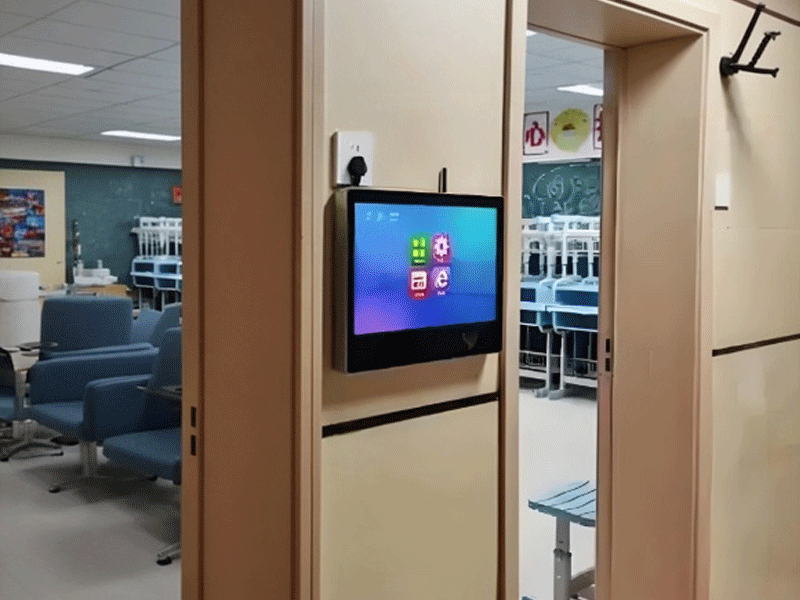
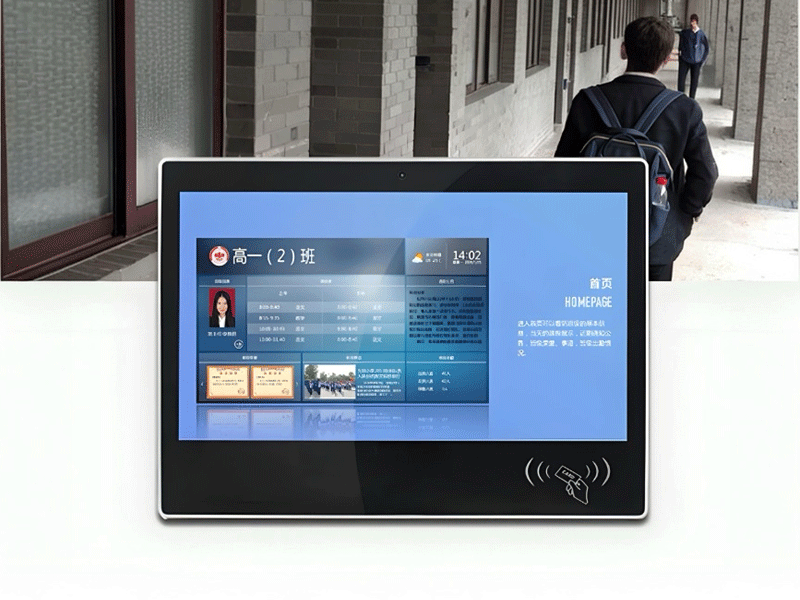
Elektronisches Klassenschild-6
$350
Merkmal: Predator Gaming-Monitor; onn Monitor; der beste Gaming-Monitor; Apple Cinema Display 27
Größe: 10.1'';13.3'';15.6'';19'';21.5'';27'';32'';50'';55'';18.5'';24'';43'';49'';20cmx20cm;25cmx25cm
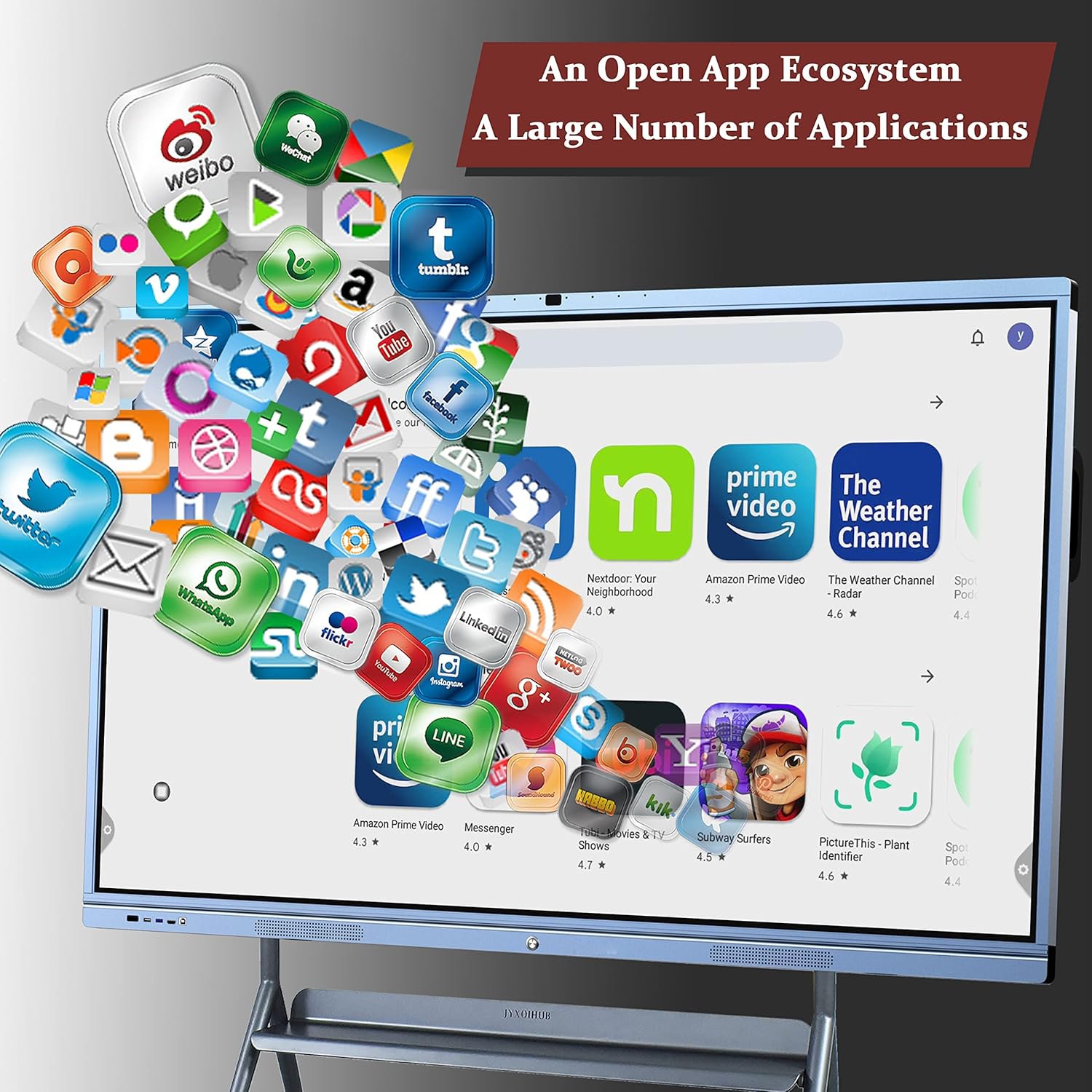
Betriebssystem: Android; Windows
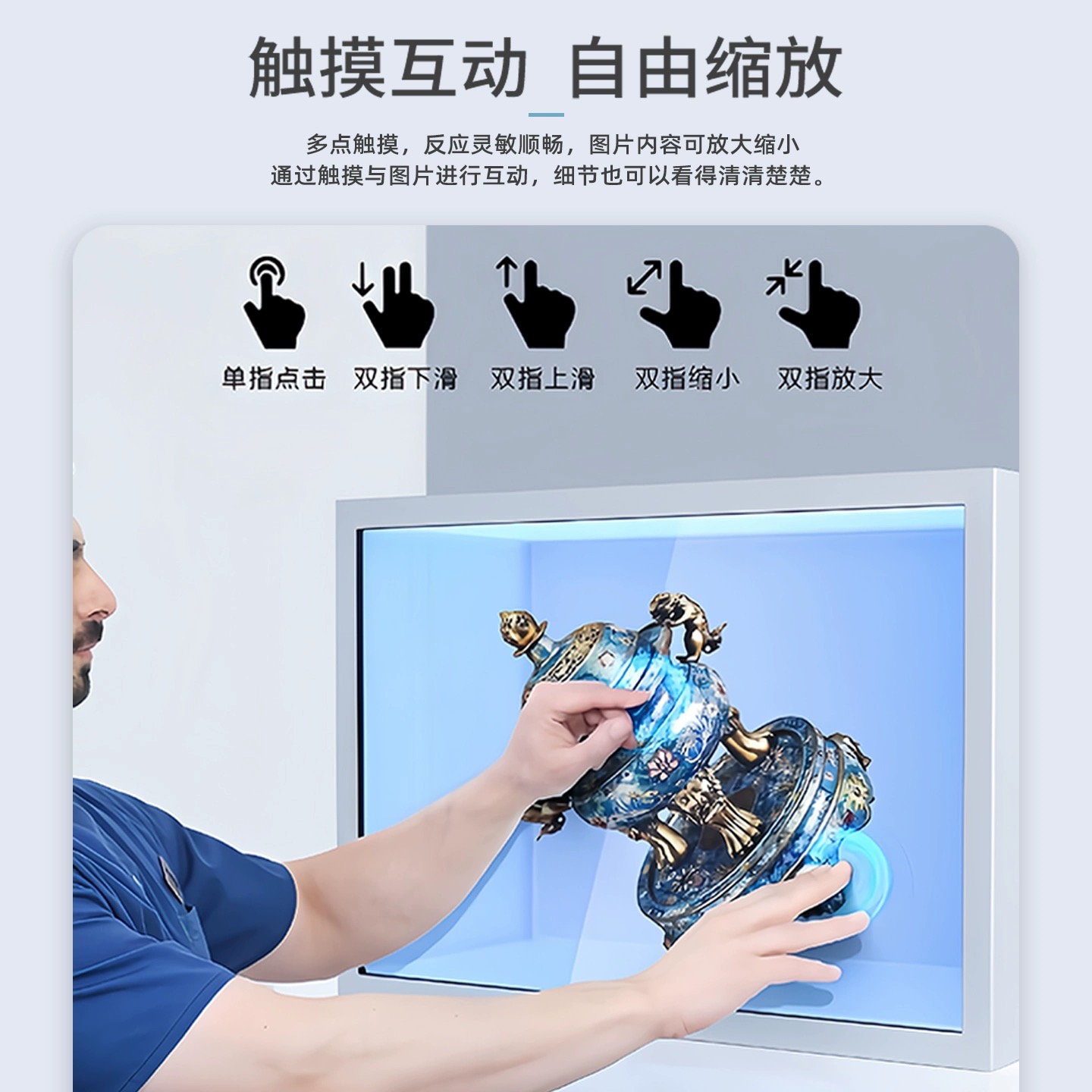
Bildschirm: Touchscreen; Nicht-Touchscreen
Installation: Vertikal; Horizontal; Wandmontage; Tragbar
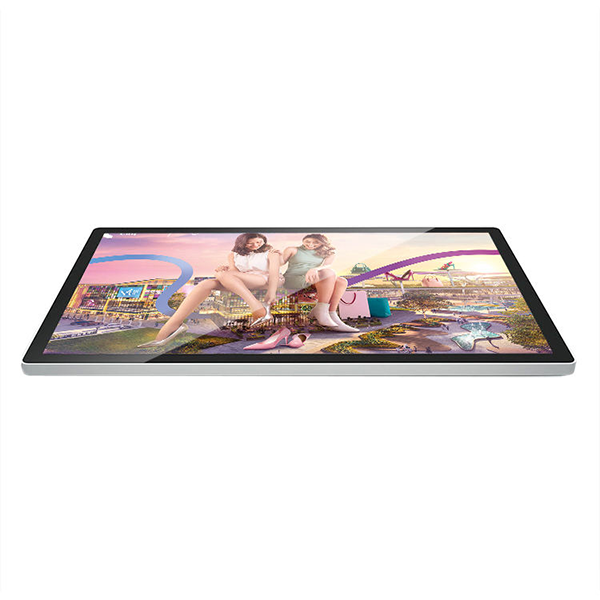
Typ: Werbemaschine; Digital Signage Display; All-in-One-Lehrmaschine
Product Details
Product Details

Eine eingehende Analyse des Kontrastverhältnisses von 1000: 1 (TYP) in elektronischen ClassboardsIntroduction: Die Bedeutung des Kontrasts in elektronischen ClassboardsElectronic Klassenzimmern sind in der modernen Bildung unverzichtbar geworden und dienen als dynamische Plattformen für die Anzeige von Informationen, Unterrichtsmaterialien und Benachrichtigungen auf dem Campus. Im Mittelpunkt ihrer visuellen Leistungsfähigkeit steht das Kontrastverhältnis, eine wichtige Kennzahl, die die Klarheit, Lesbarkeit und visuelle Wirkung von Inhalten bestimmt. Ein Kontrastverhältnis von 1000: 1 (typischerweise TYP) bedeutet ein Gleichgewicht zwischen technischer Machbarkeit und praktischem Nutzen, das auf die besonderen Anforderungen des Bildungsumfelds zugeschnitten ist.Definition eines Kontrastverhältnisses von 1000: 1: Technische GrundlagenDas Kontrastverhältnis misst die Differenz zwischen dem hellsten Weiß (Lmax) und dem dunkelsten Schwarz (Lmin), das ein Display erzeugen kann, ausgedrückt als Verhältnis. Ein Verhältnis von 1000: 1 bedeutet, dass die weiße Leuchtdichte des Displays unter typischen Bedingungen 1000-mal heller ist als seine schwarze Leuchtdichte. Wenn beispielsweise das Weiß eines Displays 300 nits (cd / m²) erreicht, würde sein Schwarzwert 0,3 nits betragen. Dieses Verhältnis wird als "TYP" bezeichnet, um anzuzeigen, dass es einen durchschnittlichen Leistungswert unter Standardbetriebsbedingungen darstellt, der es von "MAX" unterscheidet (Spitzenleistung unter idealen Einstellungen). Warum 1000: 1 (TYP) optimal für Bildungseinstellungen ist1. Ausgewogene Leistung in verschiedenen BeleuchtungenKlassenzimmer haben oft unterschiedliche Lichtquellen - natürliches Licht von Fenstern, fluoreszierende Overheads oder Projektorstrahlen. Ein Kontrastverhältnis von 1000: 1 sorgt dafür, dass Text und Bilder ohne übermäßige Blendung oder verwaschene Farben lesbar bleiben. Bei der Anzeige von Prüfungszeitplänen oder farbenfrohen Unterrichtsgrafiken beispielsweise verhindern die tiefen Schwarztöne das Ausbluten von Licht, während leuchtende Weißtöne auch in gut beleuchteten Räumen Klarheit bewahren.2. Verbesserte Lesbarkeit für Text-schwere InhaltsElektronische Klassentafeln zeigen häufig Hinweise, Zeitpläne und Bildungstexte an. Ein 1000: 1-Verhältnis optimiert den Schwarz-Weiß-Kontrast und reduziert die Augenbelastung für Schüler und Lehrer. Studien zeigen, dass ein hoher Kontrast die Lesegeschwindigkeit und das Leseverständnis verbessert, was es ideal für den längeren Einsatz in Vorlesungen oder Campus-Ankündigungen macht.3. Kosten-Effektivität vs. High-End-VerhältnisWährend Verhältnisse wie 2000: 1 oder höher tiefere Schwarztöne bieten, benötigen sie oft teurere Technologien (z. B. OLED-Panels) oder verbrauchen mehr Strom. Ein 1000: 1 (TYP) -Verhältnis erreicht 90% der visuellen Vorteile zu einem Bruchteil der Kosten, was es zu einer praktischen Wahl für Schulen mit Budgetbeschränkungen macht.5. Real-World-Anwendungen und visuelle EinwirkungenSzenario 1: Morgenklassenzimmer mit SonnenlichtIn einem nach Osten ausgerichteten Klassenzimmer kann Sonnenlicht kontrastarme Displays auswaschen. Ein 1000: 1-Klassenbrett behält klaren Text auf weißem Hintergrund bei, da die schwarzen Elemente Umgebungslicht absorbieren, anstatt es zu reflektieren.Szenario 2: Multimedia-LehrmaterialeBei der Anzeige von Videos oder Diagrammen sorgt das Verhältnis dafür, dass Farbverläufe und Details sichtbar sind. So bleibt beispielsweise ein Biologiediagramm mit subtiler Schattierung oder ein historisches Foto in Graustufen scharf und unterstützt das visuelle Lernen.Szenario 3: Nachtliche Campus-BenachrichtigungenNachts verhindern die Schwarzwerte des Klassenbretts eine übermäßige Helligkeit, wodurch Ablenkungen vermieden und gleichzeitig sichergestellt wird, dass Notfallwarnungen oder Ereignisaktualisierungen sichtbar sind.
Technische Überlegungen für 1000: 1 Classboards

Panel-Technologie: Die meisten 1000: 1-Klassenboards verwenden LCD-Panels mit LED-Hintergrundbeleuchtung, die ein Gleichgewicht zwischen Kontrast und Haltbarkeit herstellen.

Kalibrierung: Die Hersteller kalibrieren die Displays so, dass sie unter typischen Betrachtungswinkeln (z. B. 170) 1000: 1 halten, um eine einheitliche Einstellung für die im Raum sitzenden Schüler zu gewährleisten.

Umweltfaktoren: Temperatur und Luftfeuchtigkeit können den Kontrast leicht beeinflussen, aber moderne Klassenzimmer verfügen über Wärmemanagementsysteme, um die Leistung zu stabilisieren.

Schlussfolgerung: Der Wert von 1000: 1 (TYP) in Bildungsdisplays

Ein Kontrastverhältnis von 1000: 1 (TYP) schafft ein entscheidendes Gleichgewicht in elektronischen Klassenzimmern - es bietet robuste Lesbarkeit, Energieeffizienz und Kosteneffizienz für Bildungseinrichtungen. Es geht auf die Kernbedürfnisse von Klassenzimmern ein, in denen Klarheit sowohl im Tages- als auch im Nachtunterricht nicht verhandelbar ist. Da Schulen die digitale Transformation annehmen, erweist sich dieses Verhältnis nicht nur als technische Spezifikation, sondern auch als grundlegendes Element zur Verbesserung von Lehr- und Lernerfahrungen.

We use cookie to improve your online experience. By continuing to browse this website, you agree to our use of cookie.

Cookies

Please read our Terms and Conditions and this Policy before accessing or using our Services. If you cannot agree with this Policy or the Terms and Conditions, please do not access or use our Services. If you are located in a jurisdiction outside the European Economic Area, by using our Services, you accept the Terms and Conditions and accept our privacy practices described in this Policy.
We may modify this Policy at any time, without prior notice, and changes may apply to any Personal Information we already hold about you, as well as any new Personal Information collected after the Policy is modified. If we make changes, we will notify you by revising the date at the top of this Policy. We will provide you with advanced notice if we make any material changes to how we collect, use or disclose your Personal Information that impact your rights under this Policy. If you are located in a jurisdiction other than the European Economic Area, the United Kingdom or Switzerland (collectively “European Countries”), your continued access or use of our Services after receiving the notice of changes, constitutes your acknowledgement that you accept the updated Policy. In addition, we may provide you with real time disclosures or additional information about the Personal Information handling practices of specific parts of our Services. Such notices may supplement this Policy or provide you with additional choices about how we process your Personal Information.


Cookies

Cookies are small text files stored on your device when you access most Websites on the internet or open certain emails. Among other things, Cookies allow a Website to recognize your device and remember if you've been to the Website before. Examples of information collected by Cookies include your browser type and the address of the Website from which you arrived at our Website as well as IP address and clickstream behavior (that is the pages you view and the links you click).We use the term cookie to refer to Cookies and technologies that perform a similar function to Cookies (e.g., tags, pixels, web beacons, etc.). Cookies can be read by the originating Website on each subsequent visit and by any other Website that recognizes the cookie. The Website uses Cookies in order to make the Website easier to use, to support a better user experience, including the provision of information and functionality to you, as well as to provide us with information about how the Website is used so that we can make sure it is as up to date, relevant, and error free as we can. Cookies on the Website We use Cookies to personalize your experience when you visit the Site, uniquely identify your computer for security purposes, and enable us and our third-party service providers to serve ads on our behalf across the internet.

We classify Cookies in the following categories:
 ●  Strictly Necessary Cookies
 ●  Performance Cookies
 ●  Functional Cookies
 ●  Targeting Cookies


Cookie List
A cookie is a small piece of data (text file) that a website – when visited by a user – asks your browser to store on your device in order to remember information about you, such as your language preference or login information. Those cookies are set by us and called first-party cookies. We also use third-party cookies – which are cookies from a domain different than the domain of the website you are visiting – for our advertising and marketing efforts. More specifically, we use cookies and other tracking technologies for the following purposes:

Strictly Necessary Cookies
These cookies are necessary for the website to function and cannot be switched off in our systems. They are usually only set in response to actions made by you which amount to a request for services, such as setting your privacy preferences, logging in or filling in forms. You can set your browser to block or alert you about these cookies, but some parts of the site will not then work. These cookies do not store any personally identifiable information.

Functional Cookies
These cookies enable the website to provide enhanced functionality and personalisation. They may be set by us or by third party providers whose services we have added to our pages. If you do not allow these cookies then some or all of these services may not function properly.

Performance Cookies
These cookies allow us to count visits and traffic sources so we can measure and improve the performance of our site. They help us to know which pages are the most and least popular and see how visitors move around the site. All information these cookies collect is aggregated and therefore anonymous. If you do not allow these cookies we will not know when you have visited our site, and will not be able to monitor its performance.

Targeting Cookies
These cookies may be set through our site by our advertising partners. They may be used by those companies to build a profile of your interests and show you relevant adverts on other sites. They do not store directly personal information, but are based on uniquely identifying your browser and internet device. If you do not allow these cookies, you will experience less targeted advertising.

How To Turn Off Cookies
You can choose to restrict or block Cookies through your browser settings at any time. Please note that certain Cookies may be set as soon as you visit the Website, but you can remove them using your browser settings. However, please be aware that restricting or blocking Cookies set on the Website may impact the functionality or performance of the Website or prevent you from using certain services provided through the Website. It will also affect our ability to update the Website to cater for user preferences and improve performance. Cookies within Mobile Applications

We only use Strictly Necessary Cookies on our mobile applications. These Cookies are critical to the functionality of our applications, so if you block or delete these Cookies you may not be able to use the application. These Cookies are not shared with any other application on your mobile device. We never use the Cookies from the mobile application to store personal information about you.

If you have questions or concerns regarding any information in this Privacy Policy, please contact us by email at . You can also contact us via our customer service at our Site.