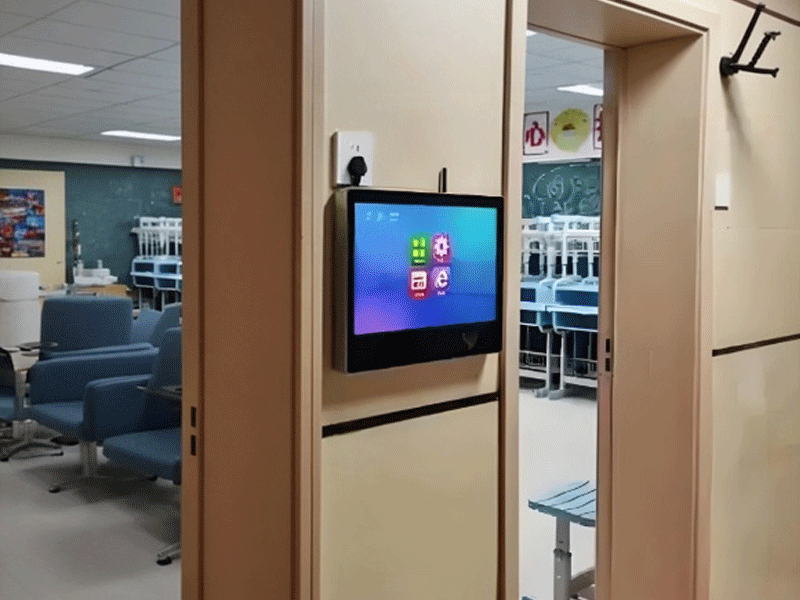
Alamat sekolah papan nama nomor pintu saluran surat rumah elektronik kelas tanda monitor layar

tanda kelas elektronik-6
$350
Fitur: monitor game predator; pada monitor; monitor game terbaik; tampilan bioskop apel 27
Ukuran: 10.1'';13.3'';15.6'';19'';21.5'';27'';32'';50'';55'';18.5'';24'';43'';49'';20cmx20cm;25cmx25cm
Sistem Operasi: Android; Windows
Layar: Layar sentuh; Layar non-sentuh
Instalasi: Vertikal; Horisontal; dipasang di dinding; Portabel
Mengetik: Mesin Periklanan; Tampilan Signage Digital; Pengajaran Mesin All-in-one
Product Details
Product Details

Analisis Mendalam 1000: 1 (TYP) Rasio Kontras dalam ClassboardsIntroduction Elektronik: Signifikansi Kontras dalam kelas Elektronik ClassboardsElectronic telah menjadi sangat diperlukan dalam pendidikan modern, berfungsi sebagai platform dinamis untuk tampilan informasi, bahan ajar, dan pemberitahuan kampus. Inti dari kinerja visual mereka terletak rasio kontras, metrik kritis yang menentukan kejelasan, keterbacaan, dan dampak visual konten. Rasio kontras 1000: 1 (TYP, biasanya) menandakan keseimbangan antara kelayakan teknis dan utilitas praktis, disesuaikan dengan tuntutan unik lingkungan pendidikan.Mendefinisikan 1000: 1 Rasio Kontras: Dasar-Dasar Teknis Rasio kontras mengukur perbedaan antara putih paling terang (Lmax) dan hitam paling gelap (Lmin) layar dapat menghasilkan, dinyatakan sebagai rasio. Rasio 1000: 1 berarti pencahayaan putih layar 1000 kali lebih terang dari luminance hitamnya dalam kondisi khas. Misalnya, jika layar putih mencapai 300 nits (cd / m²), level hitamnya adalah 0,3 nits. Rasio ini dilambangkan sebagai "TYP" untuk menunjukkan bahwa itu mewakili nilai kinerja rata-rata di seluruh kondisi operasi standar, membedakannya dari "MAX" (kinerja puncak di bawah pengaturan ideal). Mengapa 1000: 1 (TYP) Optimal untuk Pengaturan Pendidikan1. Performa Seimbang di Ruang Kelas Terang Beragam Sering kali memiliki sumber cahaya yang bervariasi - cahaya alami dari jendela, overhead berpendar, atau balok proyektor. Rasio kontras 1000: 1 memastikan teks dan gambar tetap dapat dibaca tanpa silau berlebihan atau warna yang luntur. Misalnya, saat menampilkan jadwal ujian atau grafik pendidikan yang berwarna-warni, kulit hitam pekat mencegah pendarahan ringan, sementara kulit putih cerah mempertahankan kejelasan bahkan di ruangan yang cukup terang.2. Peningkatan Keterbacaan untuk Konten Berat Teks sering menampilkan pemberitahuan, jadwal, dan teks pendidikan. Rasio 1000: 1 mengoptimalkan kontras hitam-putih, mengurangi ketegangan mata bagi siswa dan guru. Studi menunjukkan bahwa kontras yang tinggi meningkatkan kecepatan dan pemahaman membaca, menjadikannya ideal untuk penggunaan berkepanjangan dalam kuliah atau pengumuman kampus.3. Efektivitas Biaya vs. Rasio High-End Sementara rasio seperti 2000: 1 atau lebih tinggi menawarkan orang kulit hitam yang lebih dalam, mereka sering membutuhkan teknologi yang lebih mahal (misalnya, panel OLED) atau mengkonsumsi lebih banyak daya. Rasio 1000: 1 (TYP) mencapai 90% dari manfaat visual di sebagian kecil dari biaya, menjadikannya pilihan praktis untuk sekolah dengan keterbatasan anggar.5. Aplikasi Dunia Nyata dan Dampak Visual Skenario 1: Ruang Kelas Pagi dengan Sinar Matahari Di ruang kelas yang menghadap ke timur, sinar matahari dapat menghapus tampilan kontras rendah. Papan kelas 1000: 1 mempertahankan teks yang jelas dengan latar belakang putih, karena elemen hitam menyerap cahaya sekitar daripada memantulkannya. Skenario 2: Materi Pengajaran Multimedia Saat menampilkan video atau diagram, rasio memastikan gradien warna dan detail terlihat. Misalnya, diagram biologi dengan bayangan halus atau foto sejarah dalam skala abu-abu tetap tajam, membantu pembelajaran visual.Skenario 3: Pemberitahuan Kampus Malam Hari Pada malam hari, tingkat hitam kelas mencegah kecerahan yang berlebihan, menghindari gangguan sambil memastikan peringatan darurat atau pembaruan acara terlihat.
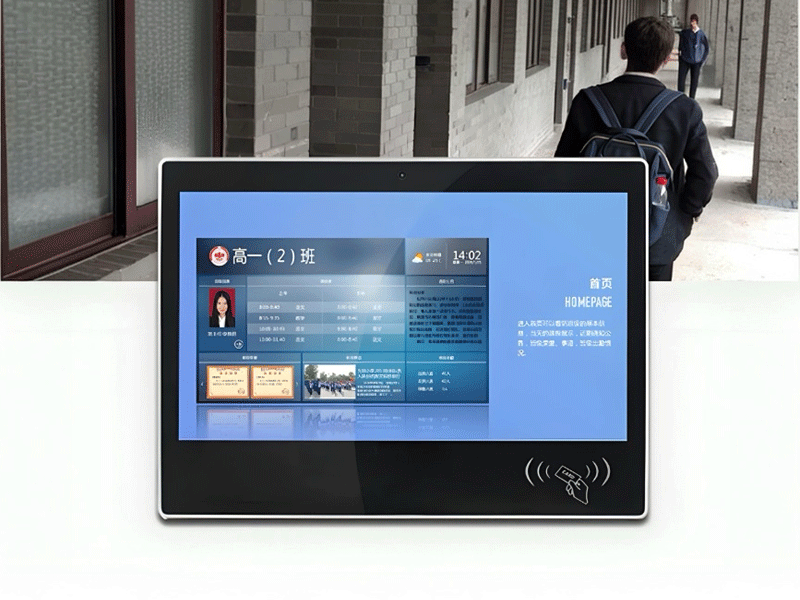
Pertimbangan Teknis untuk Kelas 1000: 1

Teknologi Panel: Sebagian besar kelas 1000: 1 menggunakan panel LCD dengan lampu latar LED, yang menyeimbangkan kontras dan daya tahan.

Kalibrasi: Tampilan kalibrasi produsen untuk mempertahankan 1000: 1 di bawah sudut pandang khas (misalnya, 170), memastikan konsistensi bagi siswa yang duduk di seberang ruangan.

Faktor Lingkungan: Suhu dan kelembaban dapat sedikit mempengaruhi kontras, tetapi kelas modern menyertakan sistem manajemen termal untuk menstabilkan kinerja.

Kesimpulan: Nilai 1000: 1 (TYP) dalam Tampilan Pendidikan

Rasio kontras 1000: 1 (TYP) mencapai keseimbangan penting dalam kelas elektronik - menawarkan keterbacaan yang kuat, efisiensi energi, dan efektivitas biaya untuk pengaturan pendidikan. Ini membahas kebutuhan inti ruang kelas, di mana kejelasan selama pelajaran siang hari dan operasi malam hari tidak dapat dinegosiasikan. Ketika sekolah merangkul transformasi digital, rasio ini muncul tidak hanya sebagai spesifikasi teknis, tetapi sebagai elemen dasar untuk meningkatkan pengalaman belajar mengajar.

We use cookie to improve your online experience. By continuing to browse this website, you agree to our use of cookie.

Cookies

Please read our Terms and Conditions and this Policy before accessing or using our Services. If you cannot agree with this Policy or the Terms and Conditions, please do not access or use our Services. If you are located in a jurisdiction outside the European Economic Area, by using our Services, you accept the Terms and Conditions and accept our privacy practices described in this Policy.
We may modify this Policy at any time, without prior notice, and changes may apply to any Personal Information we already hold about you, as well as any new Personal Information collected after the Policy is modified. If we make changes, we will notify you by revising the date at the top of this Policy. We will provide you with advanced notice if we make any material changes to how we collect, use or disclose your Personal Information that impact your rights under this Policy. If you are located in a jurisdiction other than the European Economic Area, the United Kingdom or Switzerland (collectively “European Countries”), your continued access or use of our Services after receiving the notice of changes, constitutes your acknowledgement that you accept the updated Policy. In addition, we may provide you with real time disclosures or additional information about the Personal Information handling practices of specific parts of our Services. Such notices may supplement this Policy or provide you with additional choices about how we process your Personal Information.


Cookies

Cookies are small text files stored on your device when you access most Websites on the internet or open certain emails. Among other things, Cookies allow a Website to recognize your device and remember if you've been to the Website before. Examples of information collected by Cookies include your browser type and the address of the Website from which you arrived at our Website as well as IP address and clickstream behavior (that is the pages you view and the links you click).We use the term cookie to refer to Cookies and technologies that perform a similar function to Cookies (e.g., tags, pixels, web beacons, etc.). Cookies can be read by the originating Website on each subsequent visit and by any other Website that recognizes the cookie. The Website uses Cookies in order to make the Website easier to use, to support a better user experience, including the provision of information and functionality to you, as well as to provide us with information about how the Website is used so that we can make sure it is as up to date, relevant, and error free as we can. Cookies on the Website We use Cookies to personalize your experience when you visit the Site, uniquely identify your computer for security purposes, and enable us and our third-party service providers to serve ads on our behalf across the internet.

We classify Cookies in the following categories:
 ●  Strictly Necessary Cookies
 ●  Performance Cookies
 ●  Functional Cookies
 ●  Targeting Cookies


Cookie List
A cookie is a small piece of data (text file) that a website – when visited by a user – asks your browser to store on your device in order to remember information about you, such as your language preference or login information. Those cookies are set by us and called first-party cookies. We also use third-party cookies – which are cookies from a domain different than the domain of the website you are visiting – for our advertising and marketing efforts. More specifically, we use cookies and other tracking technologies for the following purposes:

Strictly Necessary Cookies
These cookies are necessary for the website to function and cannot be switched off in our systems. They are usually only set in response to actions made by you which amount to a request for services, such as setting your privacy preferences, logging in or filling in forms. You can set your browser to block or alert you about these cookies, but some parts of the site will not then work. These cookies do not store any personally identifiable information.

Functional Cookies
These cookies enable the website to provide enhanced functionality and personalisation. They may be set by us or by third party providers whose services we have added to our pages. If you do not allow these cookies then some or all of these services may not function properly.

Performance Cookies
These cookies allow us to count visits and traffic sources so we can measure and improve the performance of our site. They help us to know which pages are the most and least popular and see how visitors move around the site. All information these cookies collect is aggregated and therefore anonymous. If you do not allow these cookies we will not know when you have visited our site, and will not be able to monitor its performance.

Targeting Cookies
These cookies may be set through our site by our advertising partners. They may be used by those companies to build a profile of your interests and show you relevant adverts on other sites. They do not store directly personal information, but are based on uniquely identifying your browser and internet device. If you do not allow these cookies, you will experience less targeted advertising.

How To Turn Off Cookies
You can choose to restrict or block Cookies through your browser settings at any time. Please note that certain Cookies may be set as soon as you visit the Website, but you can remove them using your browser settings. However, please be aware that restricting or blocking Cookies set on the Website may impact the functionality or performance of the Website or prevent you from using certain services provided through the Website. It will also affect our ability to update the Website to cater for user preferences and improve performance. Cookies within Mobile Applications

We only use Strictly Necessary Cookies on our mobile applications. These Cookies are critical to the functionality of our applications, so if you block or delete these Cookies you may not be able to use the application. These Cookies are not shared with any other application on your mobile device. We never use the Cookies from the mobile application to store personal information about you.

If you have questions or concerns regarding any information in this Privacy Policy, please contact us by email at . You can also contact us via our customer service at our Site.