
Продукт

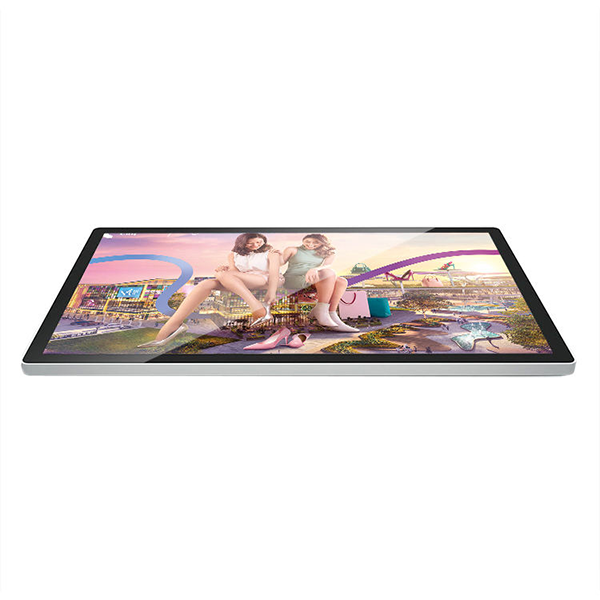
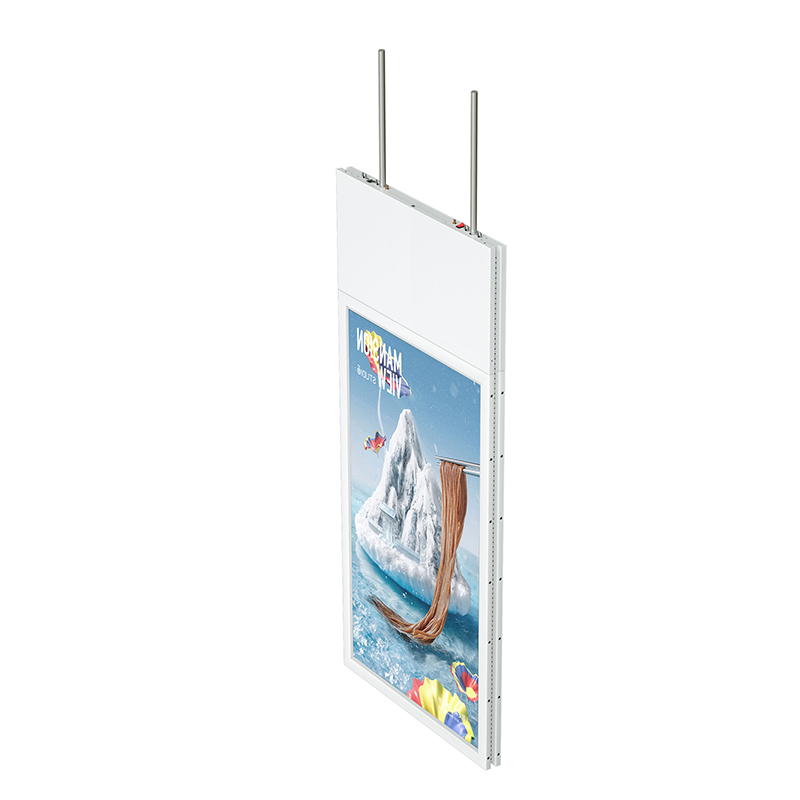
43-дюймовый прозрачный ЖК тонкий видео дисплей плеер двойной цифровой вывески висит экран рекламной машины

Подвесной экран-10
$350
Особенность: монитор для MacBook Air; 120 Гц игровой монитор; Mac совместимые мониторы; Mac совместимые мониторы
Размер: 10.1'';13.3'';15.6'';19'';21.5'';27'';32'';50'';18.5'';24'';43'';49'';20cmx20cm;25cmx25cm
Операционная система: Андроид; Windows
Экран: Сенсорный экран; Non-сенсорный экран
Установка: Висит
Тип: Рекламная машина; Дисплей Digital Signage
Product Details
Product Details

Разрешение подвешенных рекламных дисплеев: Всестороннее GuideIntroductionSuspended рекламных дисплеев, широко известное как подвесная или подвесная рекламная машина, широко используется в общественных местах, таких как торговые центры, аэропорты и выставочные залы, для доставки динамического визуального контента. Одним из наиболее важных факторов, влияющих на их производительность, является разрешение, которое определяет четкость изображения, детализацию и общее визуальное воздействие. В этой статье исследуется концепция разрешения на подвешенных рекламных дисплеях, ее важность, общие стандарты и факторы, влияющие на выборку. 1. Понимание разрешения на приостанавливаемых рекламных дисплеях. Разрешение относится к количеству пикселей (отдельных точек цвета), составляющих изображение на экране. Обычно это выражается шириной и высотой (например, 19201080). Более высокое разрешение означает больше пикселей, что приводит к более четким и подробным изображениям. Ключевые показатели разрешения: плотность пикселей (PPI - пикселей на дюйм): измеряет плотность пикселей на экране. Более высокий PPI приводит к более тонким деталям. Соотношение сторон: пропорциональное соотношение между шириной и высотой (например, 16: 9 для Full HD, 4: 3 для старых дисплеев). Родное разрешение: оптимальное разрешение, для которого предназначен дисплей, обеспечивает наилучшее качество изображения.
2. Общие стандарты разрешения для приостановленных рекламных дисплеев

Приостановленные рекламные дисплеи имеют различные разрешения в зависимости от их размера, расстояния просмотра и применения. Ниже приведены наиболее распространенные стандарты:

a. HD (высокая четкость) - 1280720 (720p)

- Подходит для небольших экранов или сред, где зрители находятся на умеренном расстоянии.

- Более низкая стоимость, но может не хватать резкости для просмотра крупным планом.

б. Полное HD (FHD) - 19201080 (1080p)

- Наиболее широко используемое разрешение для 

- Уравновешивает ясность подвесная рекламная машина ffordability, идеально подходит для средних дисплеев в розничной торговле и лобби.

с. 4K Ultra HD (UHD) - 38402160

- В четыре раза больше пикселей Full HD, предлагая исключительную детализацию.

- Лучше всего подходит для больших экранов или высококлассных мест, где зрители находятся близко (например, роскошные магазины, торговые выставки).

д. 8K Ultra HD - 76804320

- Передовое разрешение с ультратонкими деталями.

- В настоящее время менее распространен из-за высоких затрат, но может стать стандартным в установках премиум-класса.

3. Важность выбора правильного решения

Выбор соответствующего разрешения имеет решающее значение для максимизации эффективности приостановленных рекламных показов. Ключевые соображения включают в себя:

a. Расстояние просмотра

Близость (1-3 метра): требует более высокого разрешения (4K или 8K) для предотвращения пикселизации.

Среднее расстояние (3-10 метров): Full HD обычно достаточно.

Большое расстояние (10 + метров): даже HD может показаться приемлемым из-за снижения видимости пикселей.

b. Тип содержания

Статические изображения / текст: может быть достаточно более низкого разрешения.

Видео / Анимации: Более высокие разрешения обеспечивают плавное воспроизведение и четкость.

c. Размер дисплея

- Большим экранам нужно более высокое разрешение для поддержания качества изображения. Дисплей 4K на 55 дюймов будет выглядеть острее, чем такое же разрешение на 80-дюймовом экране.

d. Бюджетные ограничения

Более высокие разрешения (4K / 8K) сопровождаются увеличением затрат как на оборудование, так и на производство контента.

4. Факторы, влияющие на воспринимаемое разрешение

Помимо количества пикселей, на восприятие разрешения влияют несколько факторов:

a. Технология экрана

LCD / LED: Обычный, с хорошей точностью цветопередачи, но с ограниченной контрастностью.

OLED: Превосходный контраст и яркость, повышение воспринимаемой резкости.

б. Яркость и контрастность * *

Высокая яркость (измеряемая в гнидах) обеспечивает видимость в хорошо освещенных областях, а коэффициент контрастности влияет на глубину и детализацию.

c. Оптимизация контента

Плохо масштабированный или низкокачественный контент может ухудшить воспринимаемое разрешение даже на дисплеях с высоким разрешением.

5. Будущие тенденции в разрешении приостановленных рекламных дисплеев * *

Принятие 8K: * * По мере падения цен 8K может стать жизнеспособным для рекламы с большим трафиком.

Масштабирование ИИ: * * Машинное обучение может улучшить контент с более низким разрешением для экранов с более высоким разрешением.

Гибкие / прозрачные дисплеи Новые технологии могут ввести новые стандарты разрешения.

Заключение

Разрешение приостановленного рекламного дисплея значительно влияет на его эффективность в привлечении внимания аудитории. В то время как Full HD остается стандартом, 4K становится все более распространенным для установок премиум-класса. Предприятия должны учитывать расстояние просмотра, тип контента и бюджет при выборе правильного разрешения. По мере развития технологий более высокие разрешения и более умные решения для отображения будут продолжать формировать будущее цифровой рекламы. 

Понимая эти факторы, рекламодатели могут гарантировать, что их подвесная рекламная машина обеспечивает наилучший визуальный опыт.

We use cookie to improve your online experience. By continuing to browse this website, you agree to our use of cookie.

Cookies

Please read our Terms and Conditions and this Policy before accessing or using our Services. If you cannot agree with this Policy or the Terms and Conditions, please do not access or use our Services. If you are located in a jurisdiction outside the European Economic Area, by using our Services, you accept the Terms and Conditions and accept our privacy practices described in this Policy.
We may modify this Policy at any time, without prior notice, and changes may apply to any Personal Information we already hold about you, as well as any new Personal Information collected after the Policy is modified. If we make changes, we will notify you by revising the date at the top of this Policy. We will provide you with advanced notice if we make any material changes to how we collect, use or disclose your Personal Information that impact your rights under this Policy. If you are located in a jurisdiction other than the European Economic Area, the United Kingdom or Switzerland (collectively “European Countries”), your continued access or use of our Services after receiving the notice of changes, constitutes your acknowledgement that you accept the updated Policy. In addition, we may provide you with real time disclosures or additional information about the Personal Information handling practices of specific parts of our Services. Such notices may supplement this Policy or provide you with additional choices about how we process your Personal Information.


Cookies

Cookies are small text files stored on your device when you access most Websites on the internet or open certain emails. Among other things, Cookies allow a Website to recognize your device and remember if you've been to the Website before. Examples of information collected by Cookies include your browser type and the address of the Website from which you arrived at our Website as well as IP address and clickstream behavior (that is the pages you view and the links you click).We use the term cookie to refer to Cookies and technologies that perform a similar function to Cookies (e.g., tags, pixels, web beacons, etc.). Cookies can be read by the originating Website on each subsequent visit and by any other Website that recognizes the cookie. The Website uses Cookies in order to make the Website easier to use, to support a better user experience, including the provision of information and functionality to you, as well as to provide us with information about how the Website is used so that we can make sure it is as up to date, relevant, and error free as we can. Cookies on the Website We use Cookies to personalize your experience when you visit the Site, uniquely identify your computer for security purposes, and enable us and our third-party service providers to serve ads on our behalf across the internet.

We classify Cookies in the following categories:
 ●  Strictly Necessary Cookies
 ●  Performance Cookies
 ●  Functional Cookies
 ●  Targeting Cookies


Cookie List
A cookie is a small piece of data (text file) that a website – when visited by a user – asks your browser to store on your device in order to remember information about you, such as your language preference or login information. Those cookies are set by us and called first-party cookies. We also use third-party cookies – which are cookies from a domain different than the domain of the website you are visiting – for our advertising and marketing efforts. More specifically, we use cookies and other tracking technologies for the following purposes:

Strictly Necessary Cookies
These cookies are necessary for the website to function and cannot be switched off in our systems. They are usually only set in response to actions made by you which amount to a request for services, such as setting your privacy preferences, logging in or filling in forms. You can set your browser to block or alert you about these cookies, but some parts of the site will not then work. These cookies do not store any personally identifiable information.

Functional Cookies
These cookies enable the website to provide enhanced functionality and personalisation. They may be set by us or by third party providers whose services we have added to our pages. If you do not allow these cookies then some or all of these services may not function properly.

Performance Cookies
These cookies allow us to count visits and traffic sources so we can measure and improve the performance of our site. They help us to know which pages are the most and least popular and see how visitors move around the site. All information these cookies collect is aggregated and therefore anonymous. If you do not allow these cookies we will not know when you have visited our site, and will not be able to monitor its performance.

Targeting Cookies
These cookies may be set through our site by our advertising partners. They may be used by those companies to build a profile of your interests and show you relevant adverts on other sites. They do not store directly personal information, but are based on uniquely identifying your browser and internet device. If you do not allow these cookies, you will experience less targeted advertising.

How To Turn Off Cookies
You can choose to restrict or block Cookies through your browser settings at any time. Please note that certain Cookies may be set as soon as you visit the Website, but you can remove them using your browser settings. However, please be aware that restricting or blocking Cookies set on the Website may impact the functionality or performance of the Website or prevent you from using certain services provided through the Website. It will also affect our ability to update the Website to cater for user preferences and improve performance. Cookies within Mobile Applications

We only use Strictly Necessary Cookies on our mobile applications. These Cookies are critical to the functionality of our applications, so if you block or delete these Cookies you may not be able to use the application. These Cookies are not shared with any other application on your mobile device. We never use the Cookies from the mobile application to store personal information about you.

If you have questions or concerns regarding any information in this Privacy Policy, please contact us by email at . You can also contact us via our customer service at our Site.