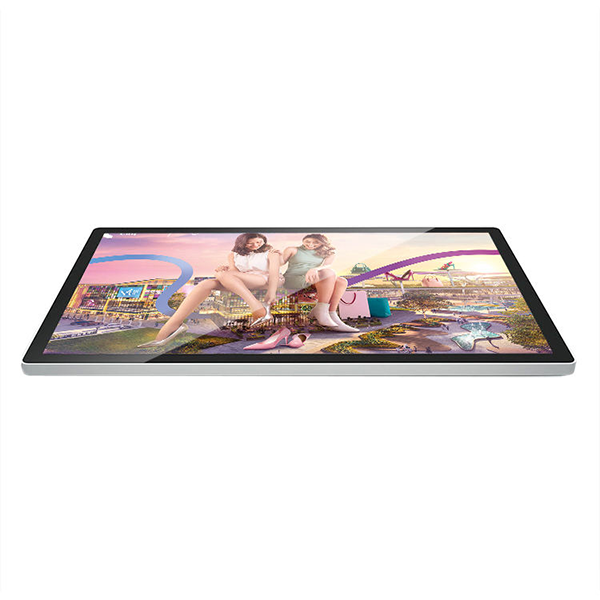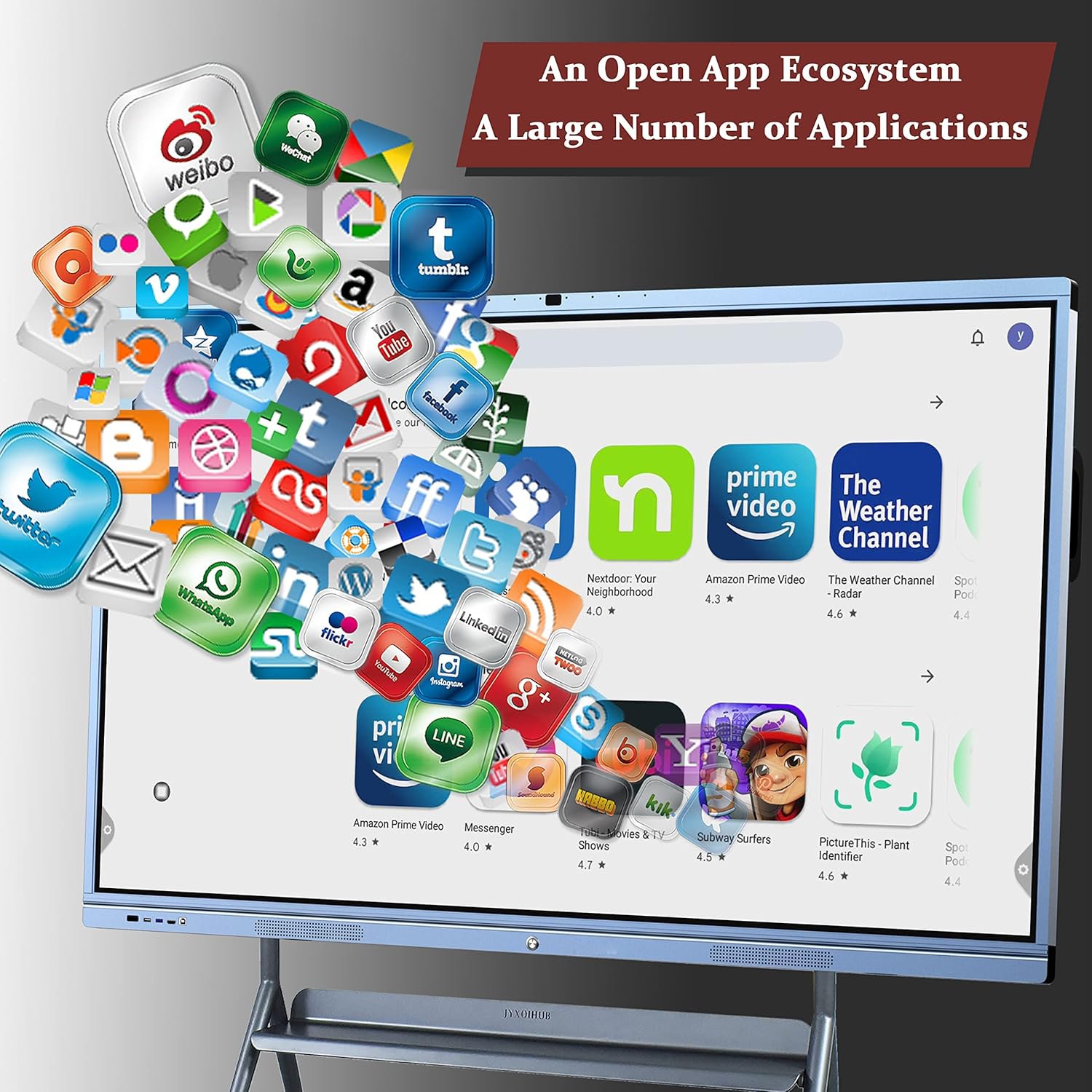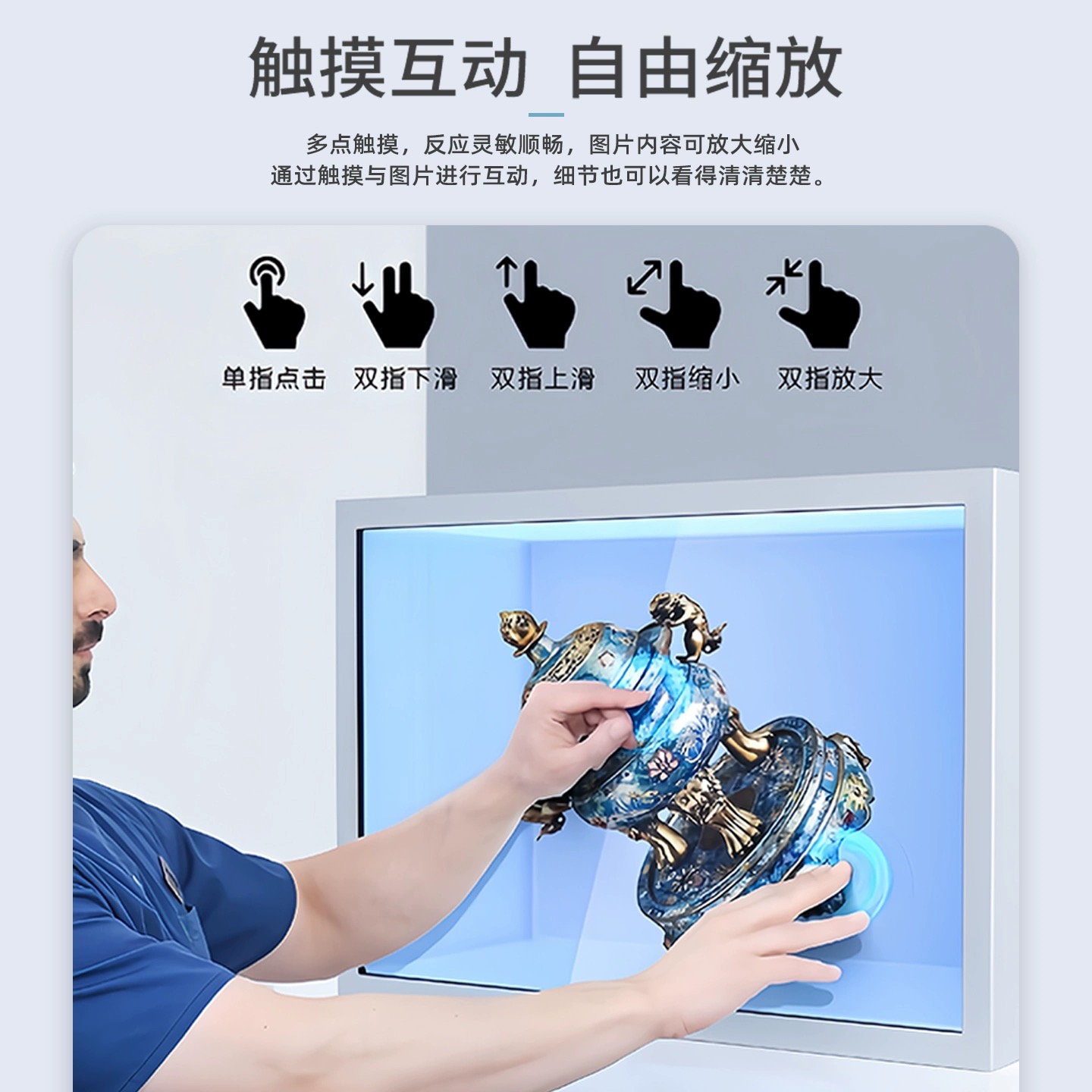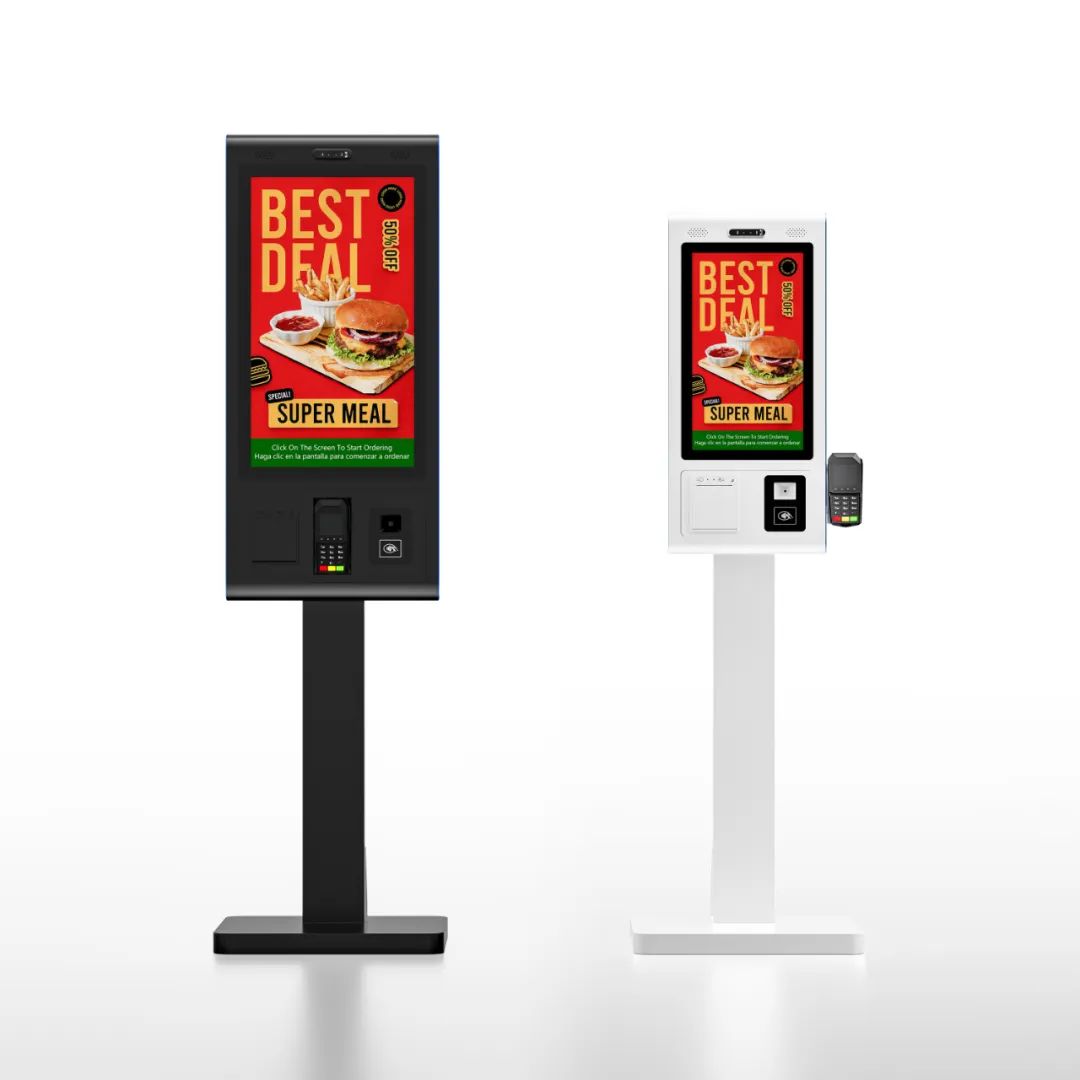


Hersteller liefern 21,5 Zoll All-in-One-Maschine Netzwerk Touch elektronische Klasse Zeichen Bildschirm
Elektronisches Klassenschild-7
$350
Merkmal: Videobearbeitungsmonitor; adobe rgb monitor; vesa monitor; tft monitor
Größe: 10.1'';13.3'';15.6'';19'';21.5'';27'';32'';50'';55'';18.5'';24'';43'';49'';20cmx20cm;25cmx25cm
Betriebssystem: Android; Windows
Bildschirm: Touchscreen; Nicht-Touchscreen
Installation: Vertikal; Horizontal; Wandmontage; Tragbar
Typ: Werbemaschine; Digital Signage Display; All-in-One-Lehrmaschine
Product Details
Product Details
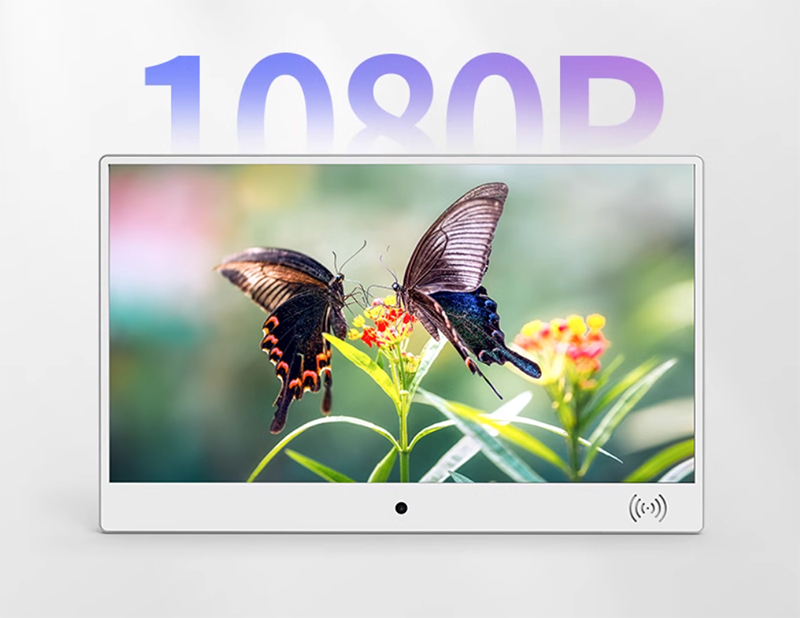
Eine umfassende Untersuchung der Auflösung in elektronischen Klassenbrettern: 19201080Die Grundlagen der Auflösung von 19201080: Definition von Full HD in BildungsanzeigeDie Auflösung von 19201080, die gemeinhin als "Full HD" (FHD) oder "1080p" bezeichnet wird, ist zum Goldstandard für elektronische Klassenbretter geworden, der visuelle Klarheit, technische Machbarkeit und Kosteneffizienz in Einklang bringt. Diese Spezifikation bezeichnet 1.920 horizontale Pixel und 1.080 vertikale Pixel, was insgesamt 2.073.600 Pixel ergibt - mehr als das Doppelte der Pixelzahl von 720p (1280720). Für Bildungsumgebungen ist diese Auflösung nicht nur eine technische Spezifikation; es ist ein Tor zur immersiven Bereitstellung von Inhalten, präziser Informationsanzeige und nahtloser Interaktion.Technische Unterteilung: Pixel, PPI und Display DynamicsPixel Density (PPI) BerechnungAuf einem Standard-Klassenbrett mit 21,5 Zoll ergibt 20119080 ~ 102 PPI (Pixel pro Zoll) und übertrifft damit die "Retina 72" (komfortable PPI-Schwelle). Größere Displays (z. B. 32 Zoll) sorgen für Klarheit mit ~ 69 PPI, da pädagogische Betrachtungsabstände (1-3 Meter) den Bedarf an ultrahohem PPI reduzieren.Pixelanordnung und SubpixeltechnologieJedes Pixel umfasst drei Subpixel (rot, grün, blau), was 16,7 Millionen Farbkombinationen ermöglicht.Fortschrittliche Panel-Technologien wie IPS (In-Plane Switching) verbessern die Farbgenauigkeit und den Betrachtungswinkel, was für 19201080 Inhalte entscheidend ist, die von verschiedenen Klassenzimmerpositionen aus betrachtet werden.
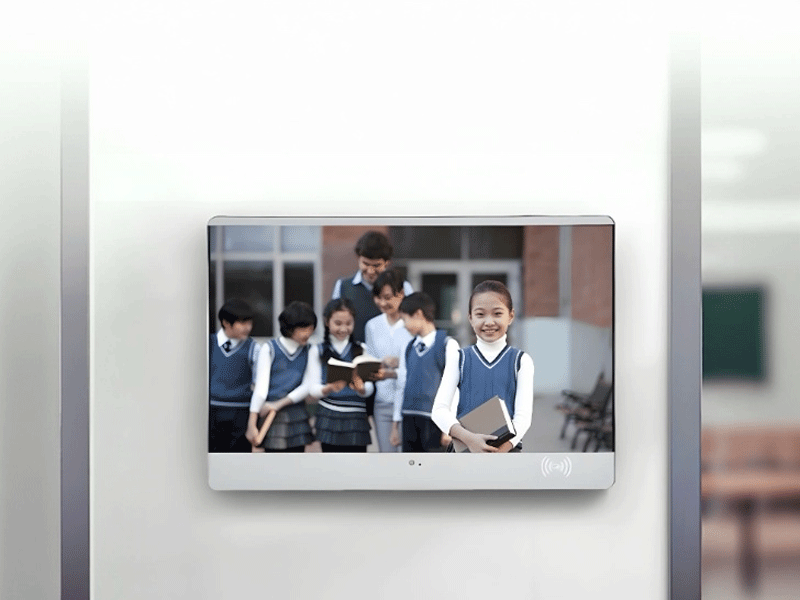
Bildungsvorteile: Wo Klarheit auf Funktionalität trifft
1. Präzision in Text und Bildmaterial
2. Kleiner Text (z. B. Zeitpläne, Gleichungen) bleibt ohne Verpixelung lesbar:
Eine 10-Punkt-Schrift auf 19201080 umfasst ~ 12 Pixel im Vergleich zu 8 Pixeln auf 1280720, was die Augenbelastung für Studenten reduziert.
Komplexe Diagramme (z. B. chemische Molekularstrukturen, historische Karten) bewahren feine Details:
Ein 19201080-Display kann auf einer Fläche von 10 cm ² 40% mehr Details anzeigen als 720p.
3. Optimiertes Multimedia-Erlebnis
4,1080p unterstützt die native Wiedergabe von HD-Videos (z. B. Dokumentarfilme, Clips für Labordemonstrationen), wodurch Upscaling-Artefakte vermieden werden.
Inhalte wie 3D-Modelle oder virtuelle Labore profitieren von einem reibungslosen Rendering:
Ein Biologiekurs mit 19201080 kann ein 3D-Zellmodell mit 25% mehr Oberflächentexturdetails drehen als auf einem 720p-Display.
5. Multitasking und Vielseitigkeit der Inhalte
6. Die Split-Screen-Funktionalität (z. B. links: Vorlesungsfolien, rechts: Live Q & A) bleibt nutzbar:
Jede Unterzone 9601080 auf 19201080 entspricht der Auflösung eines Standard-Laptops, so dass der Inhalt nicht komprimiert wird.
Unterstützung für verschiedene Seitenverhältnisse (16: 9 für Videos, 4: 3 für ältere Dokumente) ohne Beschneidung oder schwarze Balken.
Technische Implementierung: Aktivierung von 19201080 in Classboards

Durchbrüche in der Paneeltechnologie
ADS-Pro (Advanced Super Dimension Switch): Verbessert die Farbkonsistenz über 19201080 Pixel, wichtig für Kunstunterricht oder Designprojekte.
IGZO (Indium-Gallium-Zinkoxid): Reduziert den Stromverbrauch um 30% im Vergleich zu herkömmlichen TFT-Panels, ideal für den ganztägigen Betrieb.
Signalverarbeitung und Kalibrierung
Kundenspezifische Treiber optimieren die 19201080-Signalübertragung und minimieren die Latenzzeit (typischerweise
Vorkalibrierte Farbprofile (z. B. sRGB 99%) gewährleisten eine genaue Darstellung der Unterrichtsmaterialien.
Blendschutz- und Betrachtungswinkellösungen
Die Mikroätzung auf 19201080-Bildschirmen reduziert die Reflexion des Umgebungslichts um 70% und sorgt so für Klarheit in hellen Klassenzimmern.
178 horizontale / vertikale Betrachtungswinkel gewährleisten eine gleichbleibende Pixelqualität von jedem Sitzplatz aus.
Auswirkungen in der realen Welt: Fallstudien im Bildungsbereich
Initiative1.Boston öffentlichen Schulen
Nach der Aufrüstung von 500 Klassenzimmern auf 19201080 Klassenzimmer:
2. Die Schülerumfrage ergab, dass 82% von "klareren Texten und Bildern" im Vergleich zu früheren 720p-Displays berichteten.
Die Lehrkräfte stellten fest, dass sich der Zeitaufwand für die Anpassung des Inhalts an die Lesbarkeit um 35% verringert hat.
3. Forschungslabor für Hochschulbildung
Eine universitäre Physikabteilung, die 19201080-Displays für virtuelle Teilchensimulationen verwendet:
4. Die Forscher konnten subatomare Teilchenbahnen mit 20% höherer Präzision identifizieren.

Die Auflösung ermöglichte 44 Raster-Multi-Display-Setups ohne Kompromisse bei Details.
Zukunftssicherheit mit 19201080: Über die aktuellen Bedürfnisse hinaus
Obwohl 4K existiert, bleibt 19201080 aufgrund von relevant:
Kompatibilität mit Legacy Content: 90% der Lehrvideos und Software werden immer noch in 1080p produziert.
Netzwerkeffizienz: 1080p-Streams benötigen 1 / 4 der Bandbreite von 4K, was für Schulen mit begrenzter IT-Infrastruktur entscheidend ist.
Langfristige Unterstützung: Die meisten GPU-Hersteller setzen auf 1080p-Treiberoptimierung, um einen nahtlosen Betrieb für mehr als 5 Jahre zu gewährleisten.
Schlussfolgerung: 19201080 als Paradigma der Bildungsauflösung
Die Auflösung 19201080 in elektronischen Klassenzimmern ist nicht nur eine Pixelzahl, sondern eine strategische Entscheidung, die die technischen Fähigkeiten mit den pädagogischen Anforderungen in Einklang bringt. Durch die Abwägung von Klarheit, Kosten und Kompatibilität ermöglicht es Pädagogen, Inhalte zu liefern, die sowohl visuell ansprechend als auch informationsreich sind. Von scharfem Text in täglichen Ankündigungen bis hin zu lebendigen Multimedia-Funktionen im MINT-Unterricht dient diese Auflösung als Grundlage für moderne digitale Klassenzimmer - und beweist, dass im Bildungswesen der richtige Detaillierungsgrad die Art und Weise, wie Wissen geteilt und aufgenommen wird, verändern kann. Mit der Weiterentwicklung der Technologie wird 19201080 weiterhin der Maßstab sein, an dem die Standards für die Darstellung von Bildung gemessen werden.
Related Products