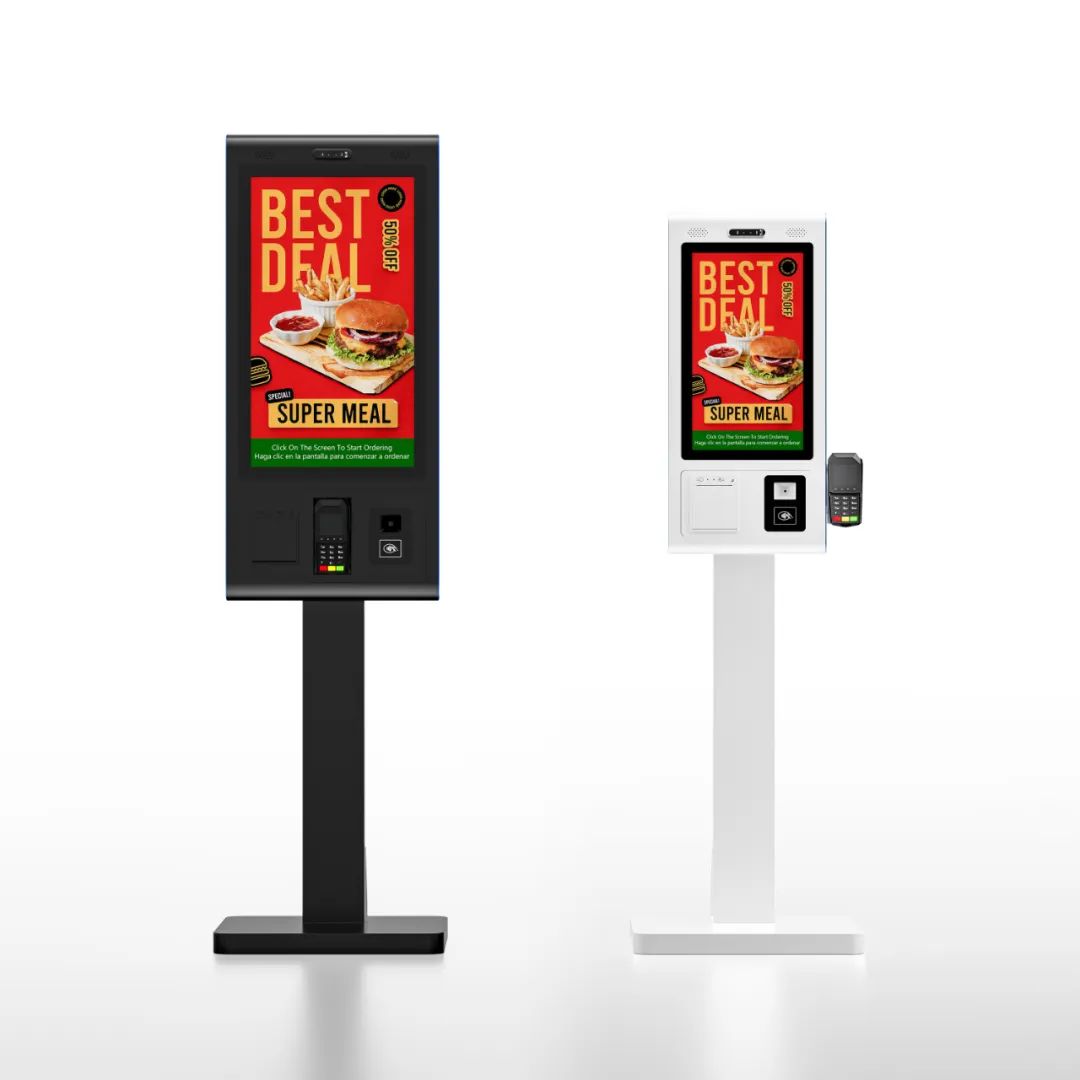
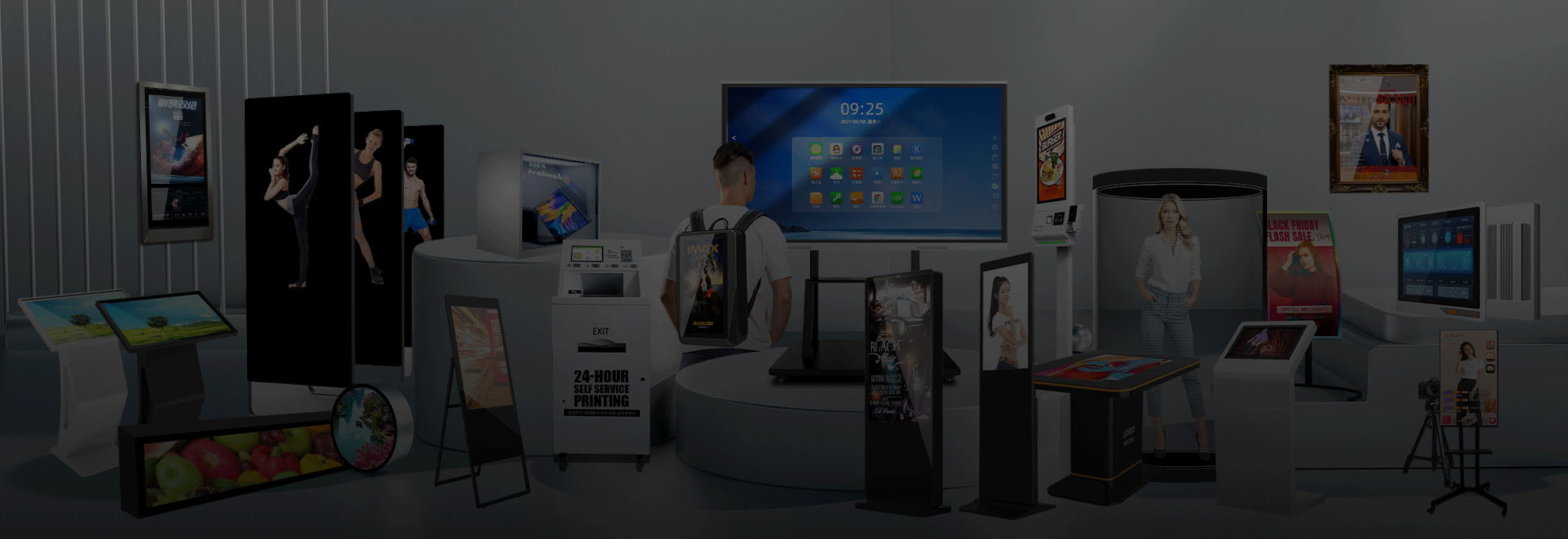
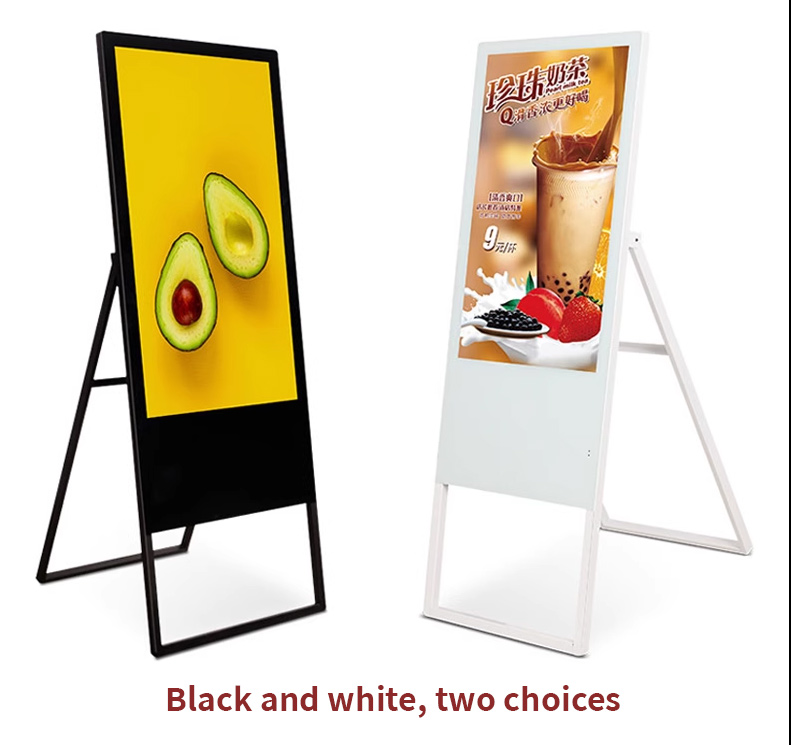
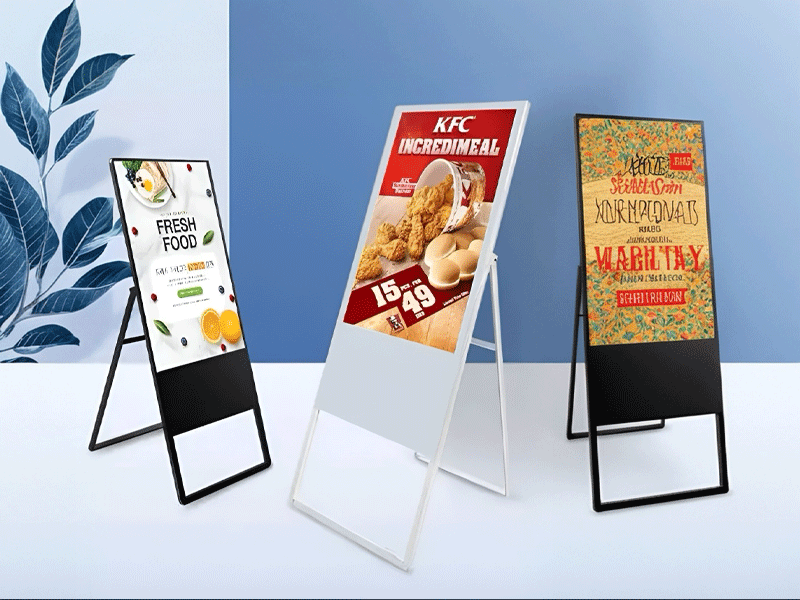
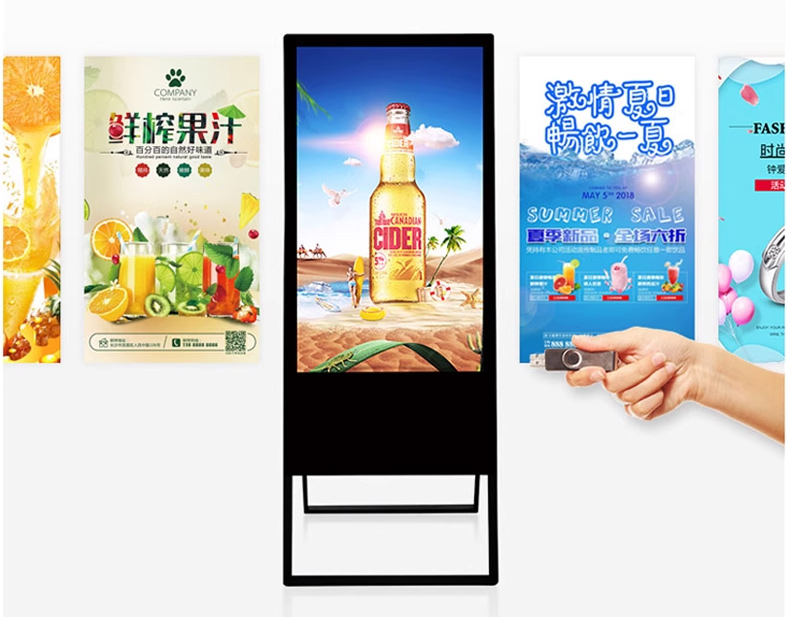
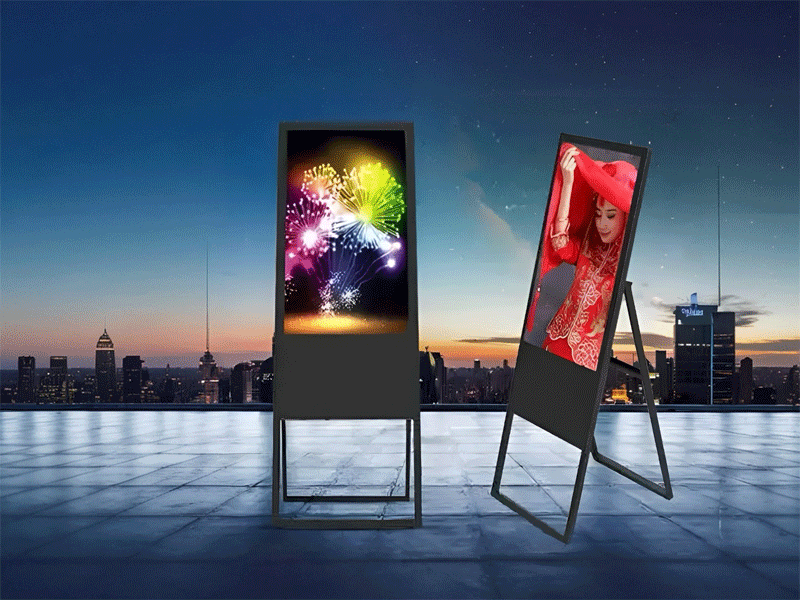
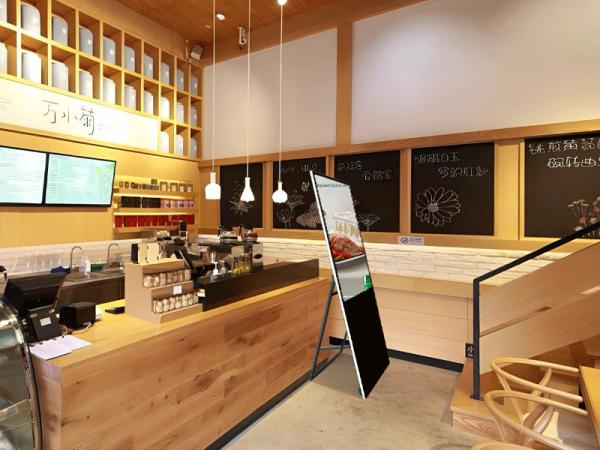
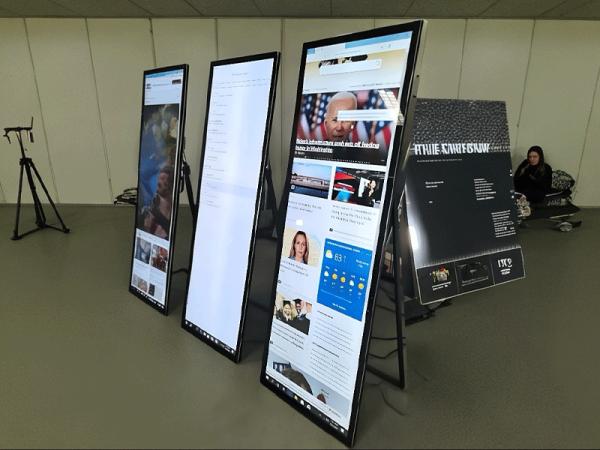
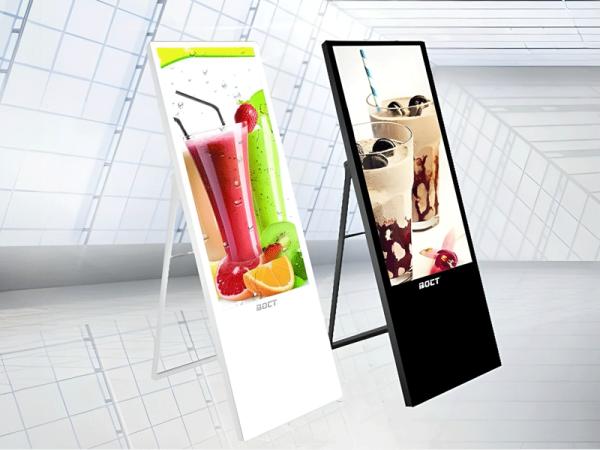

Split-screen modes of mobile digital signage machine screen kiosks dual triple and quad splits

portable digital machine-13
$500
Feature: mobile digital machine;digital signage screen;digital signage kiosks;digital signage screen kiosks
Size: 32'';50'';55'';65'';75'';85'';43'';49'';20cmx20cm;25cmx25cm
Operation System: Android;Windows
Screen: Touchscreen;Non-touch screen
Installation: Vertical;Horizontal;Portable
Type: Advertising Machine;Digital Signage Display
Product Details
Product Details

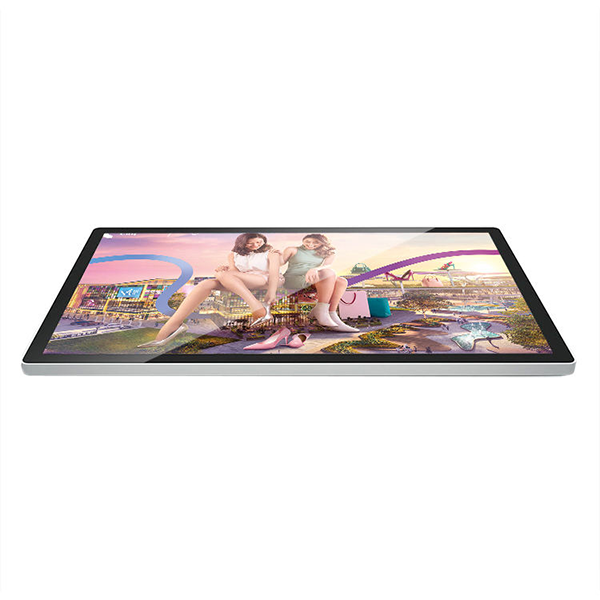
Mobile digital signage kiosks—versatile, portable advertising tools designed for dynamic environments like lobbies, retail floors, or event venues—elevate their functionality with flexible split-screen modes, including dual (2-screen), triple (3-screen), and quad (4-screen) displays. This feature allows the same screen to divide into multiple independent sections, each showcasing distinct content simultaneously. Below is an in-depth look at this capability and its advantages: Core features of digital signage machine split screen modes Customizable Layouts: Users can choose from preset or custom split configurations. Dual splits divide the screen into two equal or asymmetric sections (e.g., 70% for video, 30% for text). Triple splits might allocate one large central panel with two smaller side panels, while quad splits create four uniform or varied zones. The kiosk’s software enables drag-and-drop adjustments, letting operators tailor layouts to content type (videos, images, text, or live feeds).
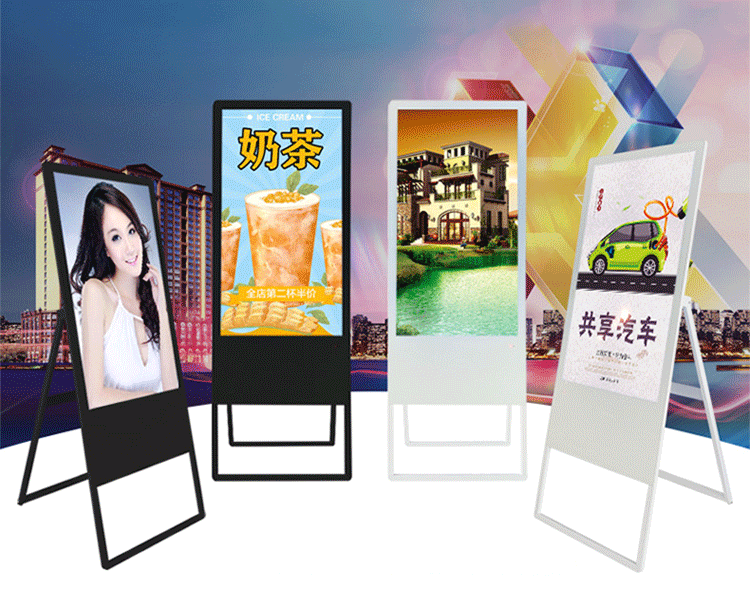
Independent content control: Each digital signage machine screen split section operates independently, supporting different media formats and update schedules. For example, in a dual split, one side can play a promotional video on loop, while the other displays real-time updates (e.g., event timetables or social media feeds) that refresh every 5 minutes.

Seamless transition and synchronization: The system of digital signage machine screen ensures smooth transitions between split modes and synchronized playback where needed.
For instance, a quad split showing product images can shift to a full-screen video with a single tap, or two split sections can align audio (e.g., a tutorial video and its text instructions) to avoid confusion.
Advantages in practical applications
1. Maximizing information density without overcrowding

In high-traffic areas, audiences have limited attention spans—digital signage machine screen split screens enable kiosks to deliver more content without overwhelming viewers. A retail kiosk using a dual split, for example, can showcase a product demonstration video on one side while listing key features (price, specs, availability) on the other, letting customers absorb both visual and textual information at a glance. In event venues, a triple split might display a main stage live feed, a schedule of upcoming performances, and sponsor logos simultaneously, catering to attendees’ diverse needs (watching the show, planning next activities, or identifying partners) in one view.
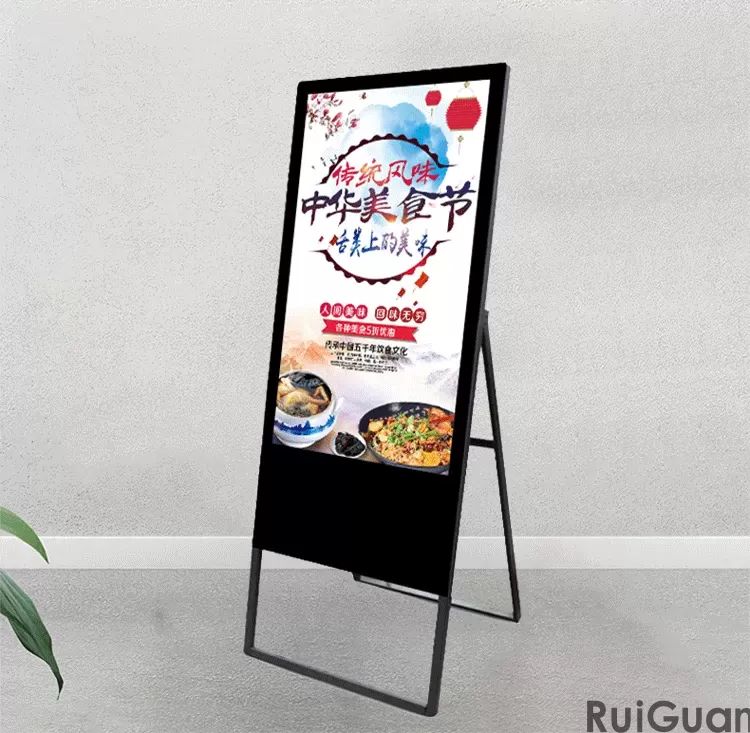
2. Targeting diverse audiences simultaneously
Mobile digital signage machine screen kiosks often serve mixed crowds—e.g., families, professionals, or tourists in a shopping mall. Split screens allow tailored content for each group. A quad split in a tourist hub could feature: a map of local attractions (for visitors), a café menu (for food seekers), a discount ad for a clothing store (for shoppers), and a weather forecast (for everyone). This versatility ensures no audience segment is overlooked, increasing the kiosk’s overall engagement rate.
3. Enhancing engagement through interactive variety
Digital signage machine screen split modes support interactive content combinations that boost participation.
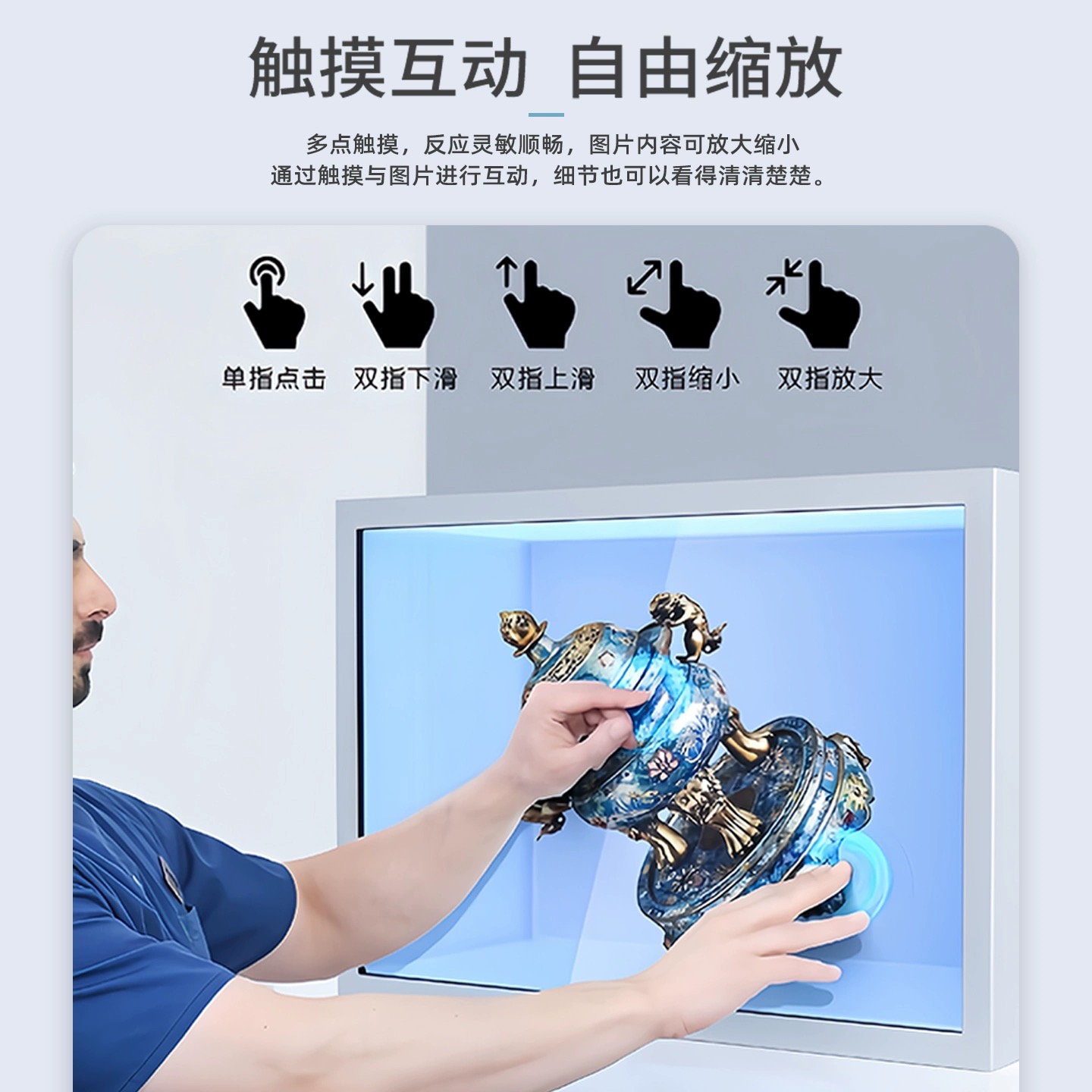
A dual digital signage machine screen split could pair a quiz on one side with a live results bar on the other, encouraging users to tap answers and see real-time feedback. In a corporate lobby, a triple split might include a company video, a digital guestbook (where visitors sign via touch), and a social media wall displaying posts tagged with the company’s hashtag—turning passive viewing into active interaction.
4. Flexibility for dynamic environments

Mobile digital signage machine screen kiosks are often moved between locations (e.g., from a morning trade show booth to an evening gala). Split-screen modes adapt to these shifts: a quad split for product showcases at a trade show can quickly reconfigure to a dual split (promo video + contact info) for a networking event. This agility eliminates the need for separate content setups, saving operators time and ensuring the kiosk remains relevant in any context.
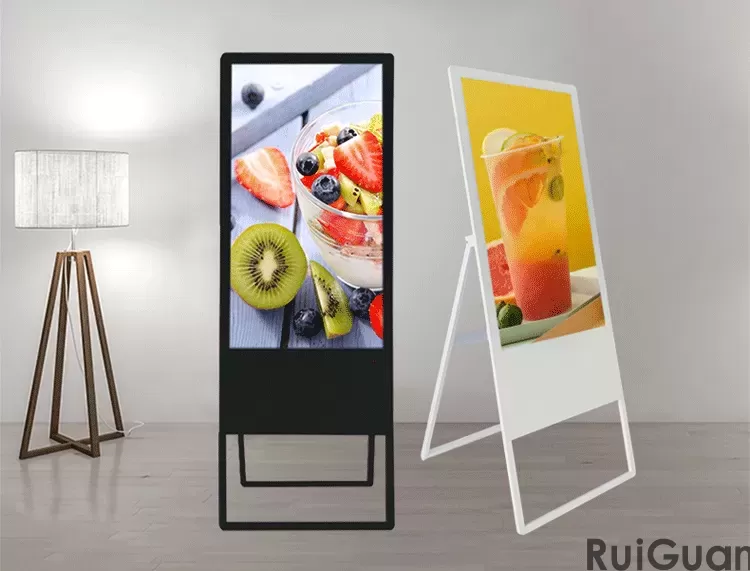
5. Cost and space efficiency
Instead of deploying multiple single-screen kiosks to display varied content, one mobile digital signage machine screen unit with split screens achieves the same goal—reducing hardware costs and space usage. For small retail stores or crowded event spaces, this is invaluable: a single kiosk in a corner can replace three separate displays, decluttering the area while maintaining content diversity.
6. Data-driven content optimization
Digital signage machine screen split-screen analytics track which sections attract the most attention (e.g., via touch interactions or dwell time).
Operators can use this data to refine layouts—e.g., expanding a popular product ad from a quad split section to a dual split if it drives more clicks. This ensures content is always optimized for engagement, maximizing the kiosk’s return on investment.
In essence, the dual, triple, and quad digital signage machine split-screen modes of mobile digital signage kiosks transform them into versatile, audience-centric tools.
By balancing information density, customization, and interactivity, they meet the demands of dynamic environments, ensuring content resonates with diverse viewers while optimizing operational efficiency.
We use cookie to improve your online experience. By continuing to browse this website, you agree to our use of cookie.

Cookies

Please read our Terms and Conditions and this Policy before accessing or using our Services. If you cannot agree with this Policy or the Terms and Conditions, please do not access or use our Services. If you are located in a jurisdiction outside the European Economic Area, by using our Services, you accept the Terms and Conditions and accept our privacy practices described in this Policy.
We may modify this Policy at any time, without prior notice, and changes may apply to any Personal Information we already hold about you, as well as any new Personal Information collected after the Policy is modified. If we make changes, we will notify you by revising the date at the top of this Policy. We will provide you with advanced notice if we make any material changes to how we collect, use or disclose your Personal Information that impact your rights under this Policy. If you are located in a jurisdiction other than the European Economic Area, the United Kingdom or Switzerland (collectively “European Countries”), your continued access or use of our Services after receiving the notice of changes, constitutes your acknowledgement that you accept the updated Policy. In addition, we may provide you with real time disclosures or additional information about the Personal Information handling practices of specific parts of our Services. Such notices may supplement this Policy or provide you with additional choices about how we process your Personal Information.


Cookies

Cookies are small text files stored on your device when you access most Websites on the internet or open certain emails. Among other things, Cookies allow a Website to recognize your device and remember if you've been to the Website before. Examples of information collected by Cookies include your browser type and the address of the Website from which you arrived at our Website as well as IP address and clickstream behavior (that is the pages you view and the links you click).We use the term cookie to refer to Cookies and technologies that perform a similar function to Cookies (e.g., tags, pixels, web beacons, etc.). Cookies can be read by the originating Website on each subsequent visit and by any other Website that recognizes the cookie. The Website uses Cookies in order to make the Website easier to use, to support a better user experience, including the provision of information and functionality to you, as well as to provide us with information about how the Website is used so that we can make sure it is as up to date, relevant, and error free as we can. Cookies on the Website We use Cookies to personalize your experience when you visit the Site, uniquely identify your computer for security purposes, and enable us and our third-party service providers to serve ads on our behalf across the internet.

We classify Cookies in the following categories:
 ●  Strictly Necessary Cookies
 ●  Performance Cookies
 ●  Functional Cookies
 ●  Targeting Cookies


Cookie List
A cookie is a small piece of data (text file) that a website – when visited by a user – asks your browser to store on your device in order to remember information about you, such as your language preference or login information. Those cookies are set by us and called first-party cookies. We also use third-party cookies – which are cookies from a domain different than the domain of the website you are visiting – for our advertising and marketing efforts. More specifically, we use cookies and other tracking technologies for the following purposes:

Strictly Necessary Cookies
These cookies are necessary for the website to function and cannot be switched off in our systems. They are usually only set in response to actions made by you which amount to a request for services, such as setting your privacy preferences, logging in or filling in forms. You can set your browser to block or alert you about these cookies, but some parts of the site will not then work. These cookies do not store any personally identifiable information.

Functional Cookies
These cookies enable the website to provide enhanced functionality and personalisation. They may be set by us or by third party providers whose services we have added to our pages. If you do not allow these cookies then some or all of these services may not function properly.

Performance Cookies
These cookies allow us to count visits and traffic sources so we can measure and improve the performance of our site. They help us to know which pages are the most and least popular and see how visitors move around the site. All information these cookies collect is aggregated and therefore anonymous. If you do not allow these cookies we will not know when you have visited our site, and will not be able to monitor its performance.

Targeting Cookies
These cookies may be set through our site by our advertising partners. They may be used by those companies to build a profile of your interests and show you relevant adverts on other sites. They do not store directly personal information, but are based on uniquely identifying your browser and internet device. If you do not allow these cookies, you will experience less targeted advertising.

How To Turn Off Cookies
You can choose to restrict or block Cookies through your browser settings at any time. Please note that certain Cookies may be set as soon as you visit the Website, but you can remove them using your browser settings. However, please be aware that restricting or blocking Cookies set on the Website may impact the functionality or performance of the Website or prevent you from using certain services provided through the Website. It will also affect our ability to update the Website to cater for user preferences and improve performance. Cookies within Mobile Applications

We only use Strictly Necessary Cookies on our mobile applications. These Cookies are critical to the functionality of our applications, so if you block or delete these Cookies you may not be able to use the application. These Cookies are not shared with any other application on your mobile device. We never use the Cookies from the mobile application to store personal information about you.

If you have questions or concerns regarding any information in this Privacy Policy, please contact us by email at . You can also contact us via our customer service at our Site.