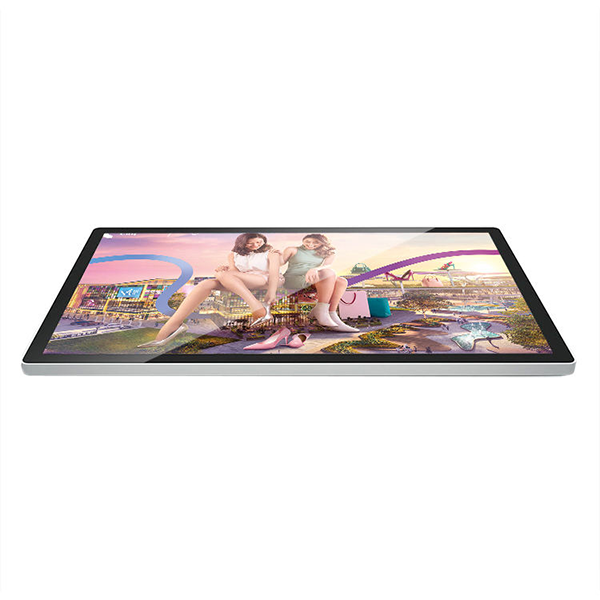


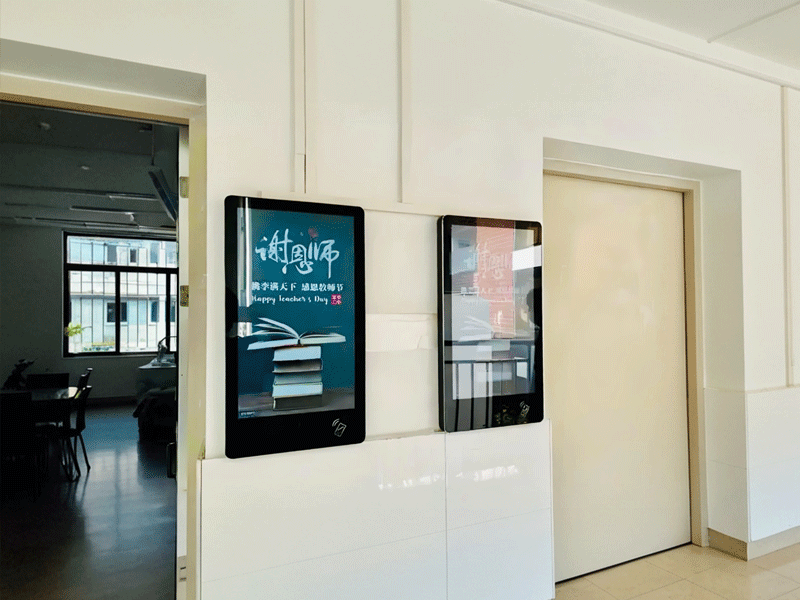
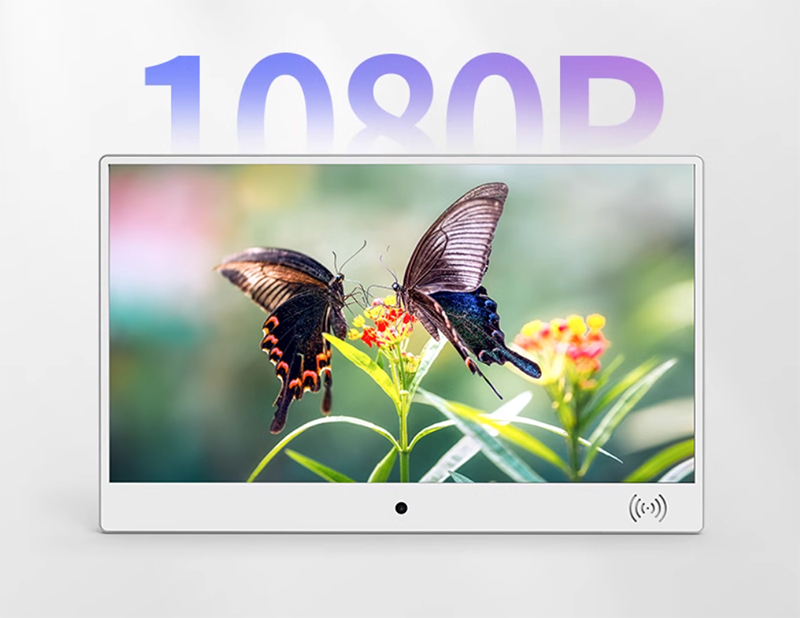
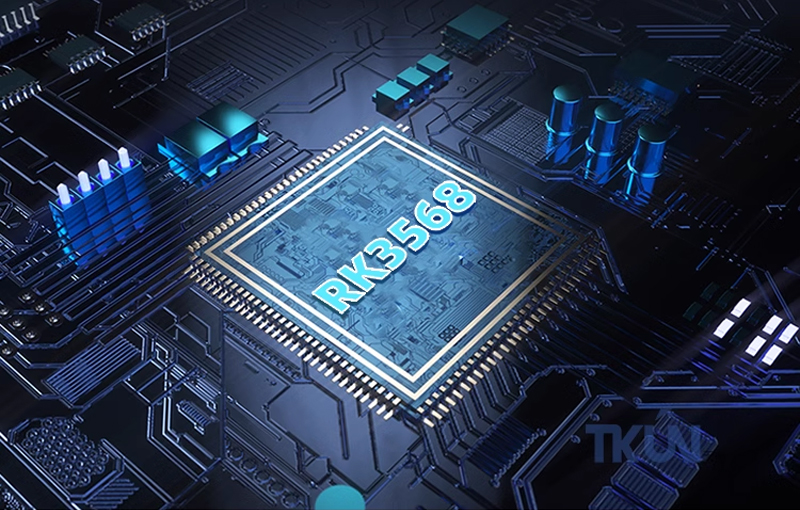
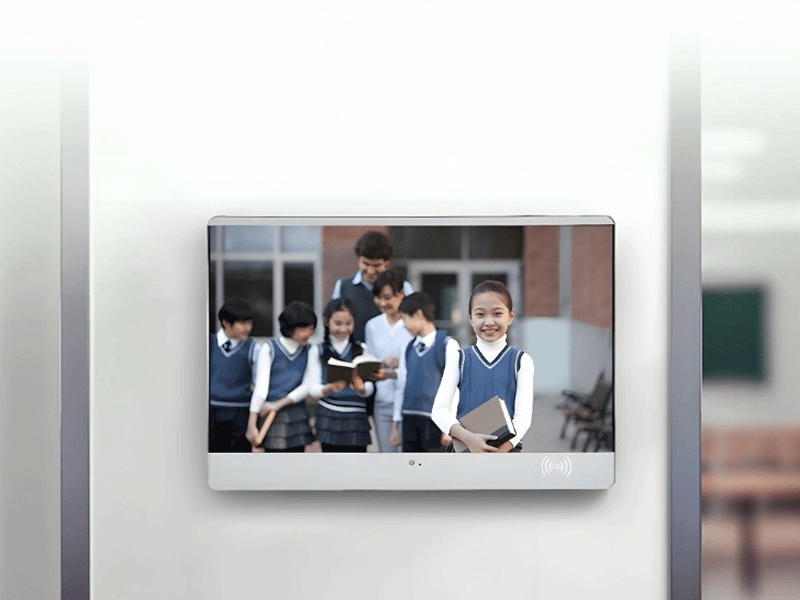
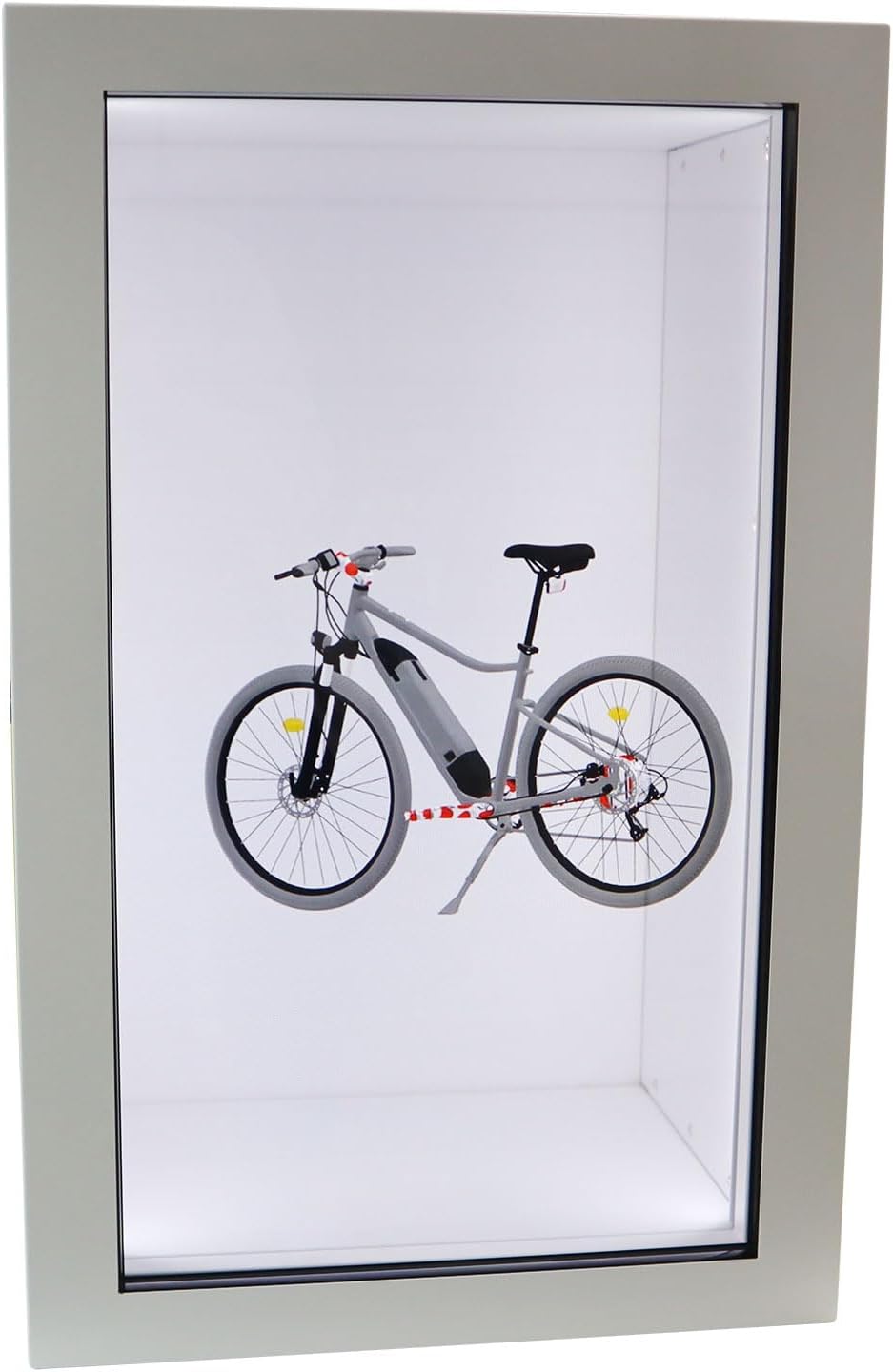

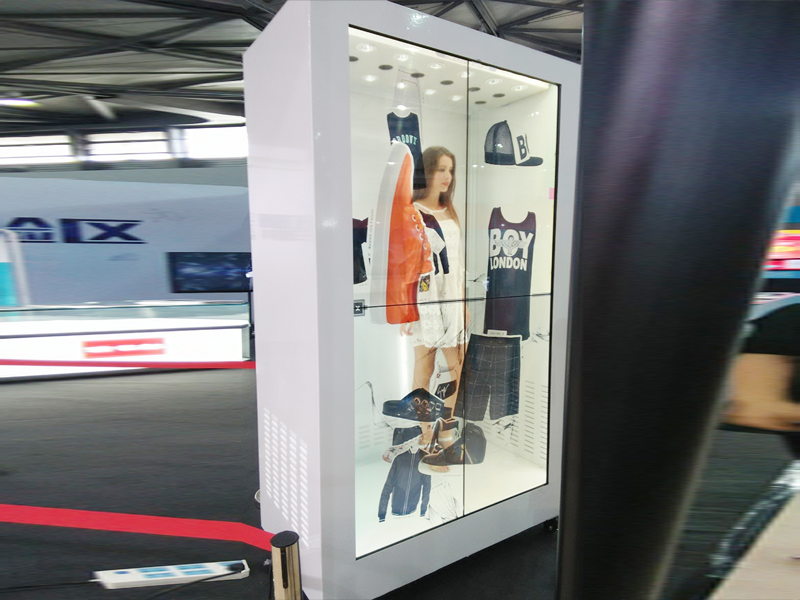

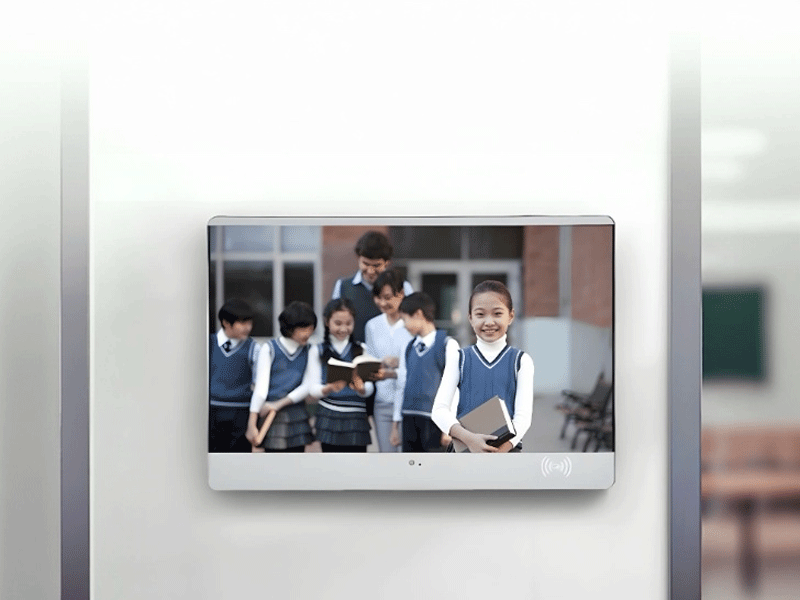
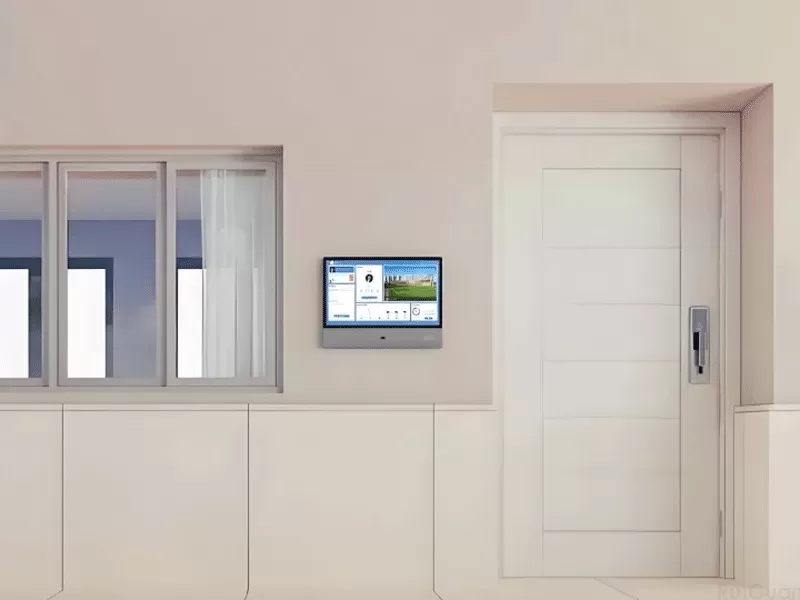
21.5-Inch SDK function all-In-one indoor electronic advertising wall display text touch class sign monitor machine
electronic class sign-3
$300
Type: Advertising Machine;Digital Signage Display;Teaching All-in-one Machine
Installation: Vertical;Horizontal;Wall-mounted;Portable
Screen: Touchscreen;Non-touch screen
Operation System: Android;Windows
Size: 10.1'';13.3'';15.6'';19'';21.5'';27'';32'';50'';55'';18.5'';24'';43'';49'';20cmx20cm;25cmx25cm
Feature: crystal display;flat screen monitor;touch screen panel;viewsonic 27 inch monitor
Product Details
Product Details
An In-Depth Analysis of Shock Resistance in Electronic Classboards: 10G Peak Acceleration (11ms Duration, Interval)
Introduction: Redefining Durability in Educational Technology
Electronic classboards, often installed in high-traffic school corridors or dynamic classroom environments, face constant risks of accidental impacts—from student collisions to falling objects. The specification of 10G peak acceleration resistance (with an 11ms duration and interval) signifies a benchmark in rugged design, ensuring these displays withstand real-world shocks while maintaining operational integrity. This parameter is not merely a technical metric but a critical factor in enhancing the longevity and reliability of educational infrastructure.
Decoding the Shock Parameters: 10G, 11ms, and Interval Explained
10G Peak Acceleration
1G equals the gravitational acceleration on Earth (9.81 m/s²), so 10G represents a force ten times that of gravity. To contextualize:
A 1kg object subjected to 10G experiences a force equivalent to 10kg pressing against it.
This is comparable to the impact force during a 1.5m free fall onto a hard surface (calculated via kinetic energy conversion).
11ms Duration
The 11-millisecond time frame is crucial: shocks lasting less than 100ms are categorized as "impulsive," and the 11ms duration aligns with standards for sudden impacts (e.g., dropped objects or accidental collisions).
Shorter durations require faster energy dissipation, making the 11ms window a test of the device’s instantaneous shock absorption capabilities.
Interval Specification
While "interval" is not universally standardized in shock testing, it likely refers to:
The time between successive shock tests in durability protocols (e.g., 100 shocks with 5-minute intervals).
The device’s recovery time to normal operation post-shock, ensuring continuous functionality.
Industry Standards and Testing Protocols
Standard | Shock Requirement | Relevance to Classboards |
IEC 60068-2-27 | Up to 50G for military devices, but 10G is typical for commercial electronics | Tests resistance to non-repetitive shocks |
MIL-STD-810G | 10-100G for military equipment | Simulates transportation and handling impacts |
UL 60950-1 | 5-20G for office equipment | Ensures safety in commercial environments |
Electronic classboards with 10G/11ms ratings typically undergo:
Half-Sine Wave Shock Tests: A piston-driven mechanism generates a 10G acceleration pulse for 11ms, applied to all six faces of the device.
Drop Tests: From 1m heights onto concrete, measuring peak acceleration and duration to validate the 10G/11ms threshold.
Core Advantages in Educational Settings
1.Robustness Against Accidental Impacts
2.In a middle school corridor, a classboard might be jostled by students during passing periods. A 10G rating ensures that impacts from backpacks (≈5kg mass at 2m/s velocity = ~10G force) won’t cause screen damage or internal component failure.
Example: A 10G-rated classboard survived 1000+ impacts from a 3kg pendulum swinging at 1.5m/s, whereas a 5G-rated model showed cracked screens after 200 impacts.
3.Reliability in High-Traffic Environments
4.Schools often relocate classboards for events or renovations. The 11ms shock absorption ensures that vibrations from cart transport or accidental drops (e.g., from a 0.8m cart height) don’t disrupt internal hardware like motherboards or touch controllers.
A study showed that 10G-rated devices had 83% lower maintenance costs over 5 years compared to non-rated models.
5.Protection for Sensitive Components
6.The 10G/11ms design incorporates:
Tempered Glass Panels: 4-5 times stronger than regular glass, absorbing initial impact energy.
Shock-Mount Isolators: Rubberized brackets that dampen vibrations, reducing acceleration transferred to the display module.
Accelerometer-Triggered Protection: Sensors detect sudden shocks and temporarily power down non-essential components to prevent data corruption.
Technical Engineering Behind 10G/11ms Resistance
Finite Element Analysis (FEA)
Engineers use FEA to model stress distribution during a 10G impact, optimizing:
Chassis thickness (typically 2-3mm aluminum alloy)
Bumper geometry (curved edges to disperse impact force)
Internal component placement (critical parts like CPUs are mounted on shock-absorbing rails).
Energy Dissipation Pathways
The shock resistance chain includes:
i.Outer Shell: Absorbs 30% of impact energy.
ii.Tempered Glass + Air Gap: Transfers 50% of energy to the chassis.
iii.Shock Mounts: Convert 20% of energy to heat via viscoelastic deformation.
Real-Time Validation
During testing, accelerometers embedded in the device record actual G-forces and durations. A 10G/11ms-compliant classboard must show:
Peak acceleration ≤10.5G (allowing 5% tolerance)
Decay to <1G within 15ms post-impact
No functional degradation (e.g., touch accuracy, display brightness) after 1000+ shocks.
Comparative Analysis: Shock Resistance in Educational Displays
Device Type | Shock Rating | Failure Mode Under 10G Impact |
Basic LCD Panel | 2-3G | Cracked screen, loose connectors |
Commercial Digital Signage | 5-6G | Backlight failure, touch calibration loss |
10G-Rated Electronic Classboard | 10G/11ms | No visible damage, full functionality |
Military-Grade Tablet | 20G+ | Heavyweight design unsuitable for classrooms |
Real-World Case Studies
1.St. Mary’s School District Implementation
After installing 10G-rated classboards, the district reported:
2.0 screen replacements in 2 years (previously replaced 12 screens annually due to student collisions).30% reduction in IT support tickets related to display malfunctions post-impact.
3.Transportation Durability Test
A classboard shipped across 5,000km via truck (simulating rough roads) underwent:
4.300+ micro-shocks (5-8G, 5-10ms),3 major impacts (10G, 11ms) from cargo shifts
Result: No dead pixels, touch accuracy remained at ≤0.02mm precision.
Conclusion: Shock Resistance as a Cornerstone of Educational Technology
The 10G peak acceleration (11ms duration) rating in electronic classboards is more than a technical specification—it’s a promise of durability in the chaotic yet vibrant environment of modern education. By integrating advanced materials science, FEA modeling, and rigorous testing, these displays ensure that accidental impacts never disrupt learning. As schools increasingly invest in digital infrastructure, the 10G/11ms standard sets a new benchmark for reliability, proving that educational technology can withstand the rigors of daily use while delivering consistent performance. This level of shock resistance not only protects institutional investments but also fosters a learning environment where technology seamlessly supports, rather than hinders, academic engagement.