

splicing screen-5
4K 55 Inch 2x2 3x3 controller indoor digital signage display video wall mount advertisement splicing screen
$550
Feature: led wall screen;led split screen;splicing screen;lcd wall mounted split screen
Size: 55''
Operation System: Android;Windows
Screen: Touchscreen;Non-touch screen
Installation: Wall-mounted
Type: Advertising Machine;Digital Signage Display;Splicing Screen Advertising Machine
Product Details
Product Details
Resolution Comparison and Explanation of LED Video Walls screen
As a vital device in the commercial display field, the visual performance of LED video walls is closely tied to resolution. A common size for video wall panels is 55 inches, typically offering a Full HD resolution of 1920×1080. Higher-end models can support up to 3840×2160 (4K UHD) resolution to meet the needs of more demanding display scenarios.

With the same screen size, the higher the resolution, the more detailed the image. For example, a 1920×1080 panel contains about 2.07 million pixels per frame, making it suitable for general use such as meetings, surveillance, and information displays. In contrast, a 4K resolution panel with around 8.3 million pixels delivers clearer visuals and sharper text, which is ideal for command centers, design review rooms, and other precision-critical applications.

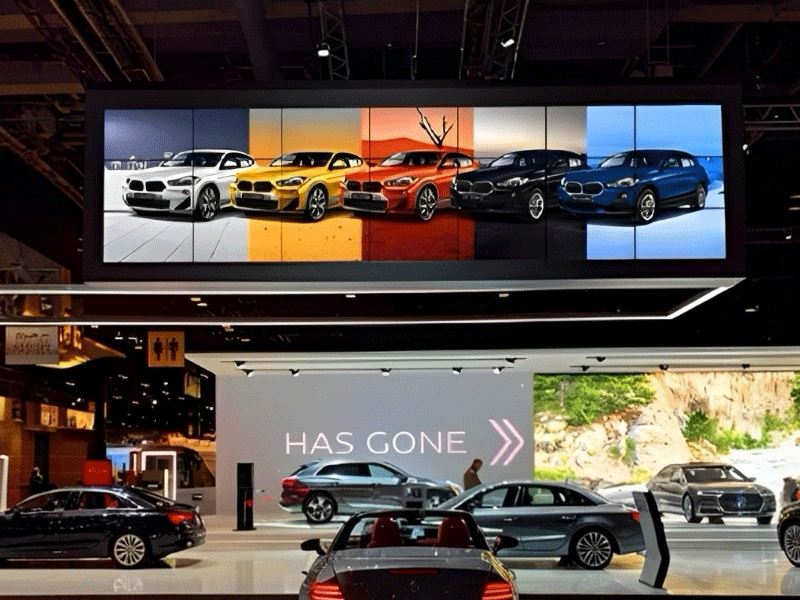
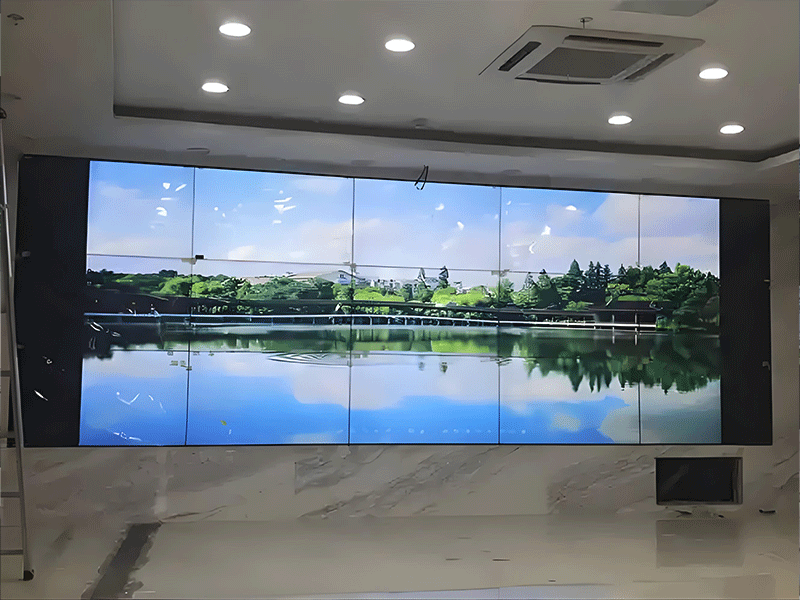
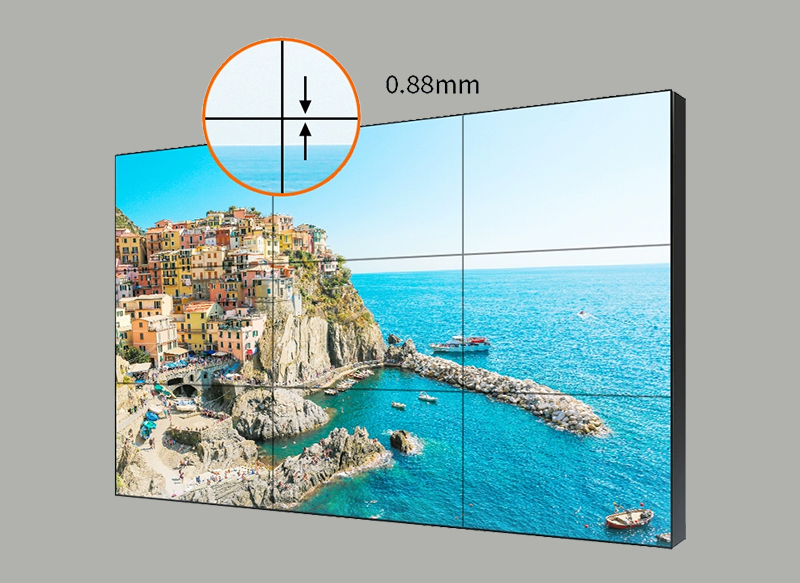
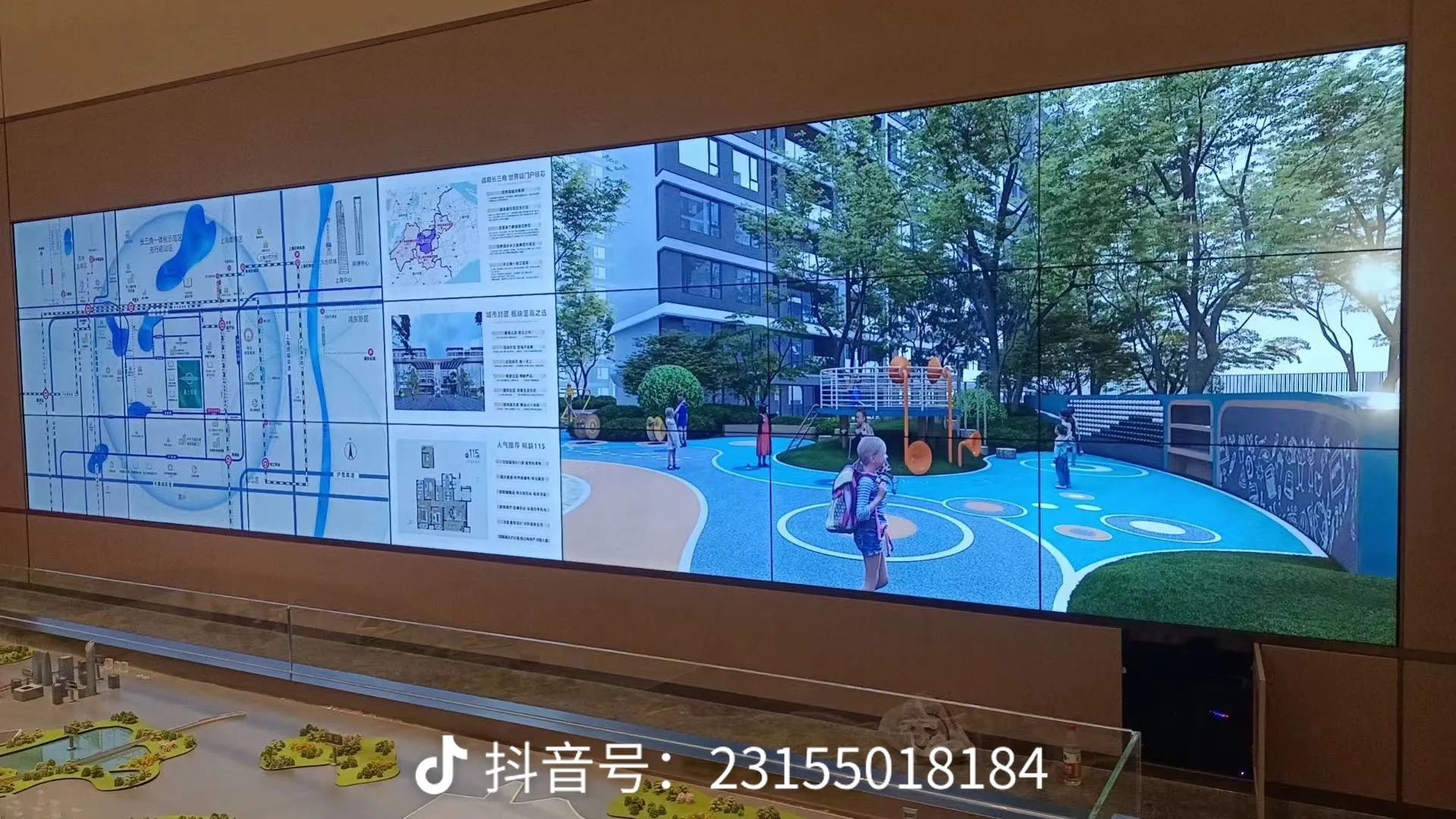
In multi-screen setups, LED video walls can create large seamless displays. A 2×2 arrangement of Full HD panels can deliver a combined resolution of 3840×2160, while a similar 4K setup can achieve a stunning 7680×4320 resolution, offering a cinematic visual experience.
It’s worth noting that resolution depends not only on the panel and display chip, but also on the motherboard and video input. To maintain image quality without compression, the playback system must support the target resolution. Moreover, higher resolutions place greater demands on data transmission and system processing, requiring robust and stable hardware.

In summary, when selecting an LED video wall, users should consider the actual application needs and choose a resolution that balances image clarity and system capability—ensuring a high-quality, stable, and efficient visual display.
Related Products