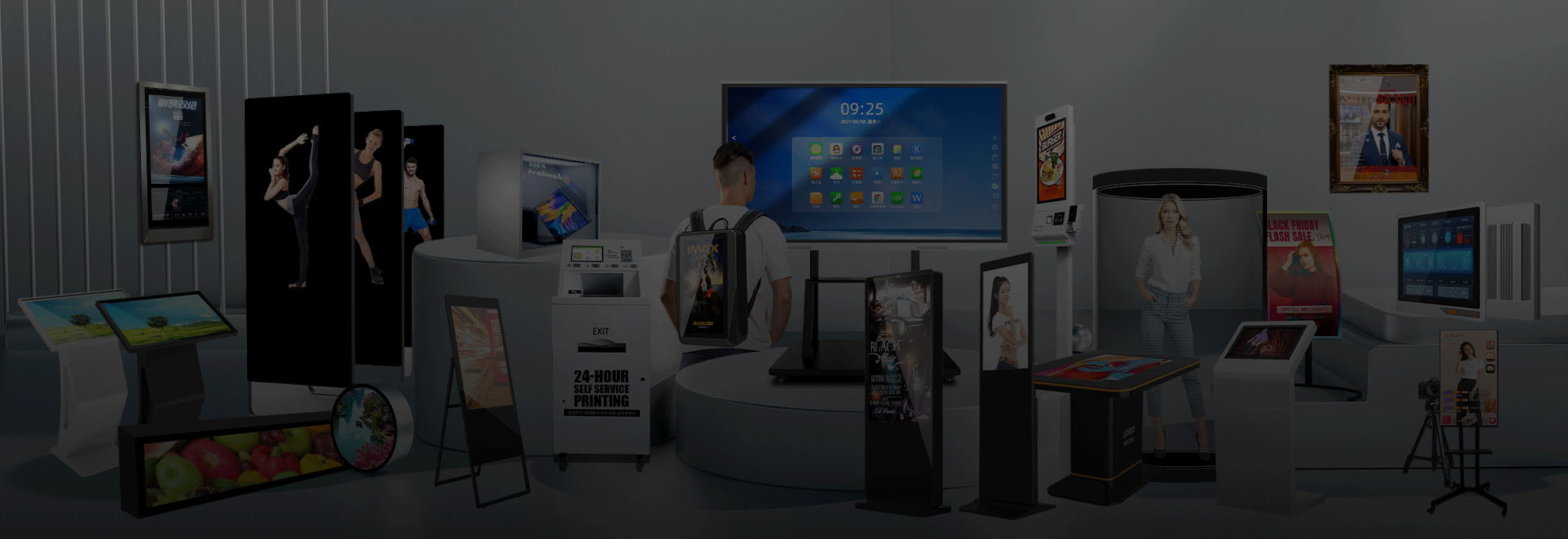
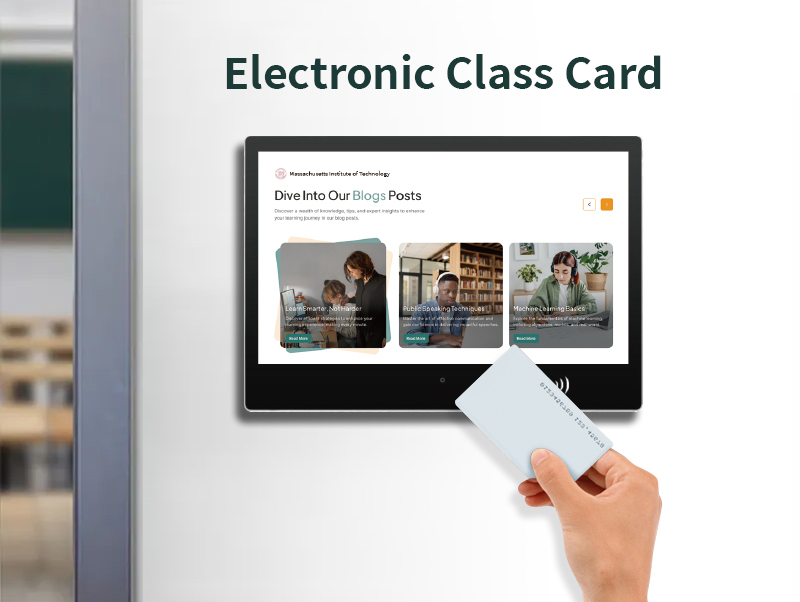
Schulwerbung Smart Campus elektronische Klassenkarte Gesichtserkennung Türnummer Digital Signage Maschine

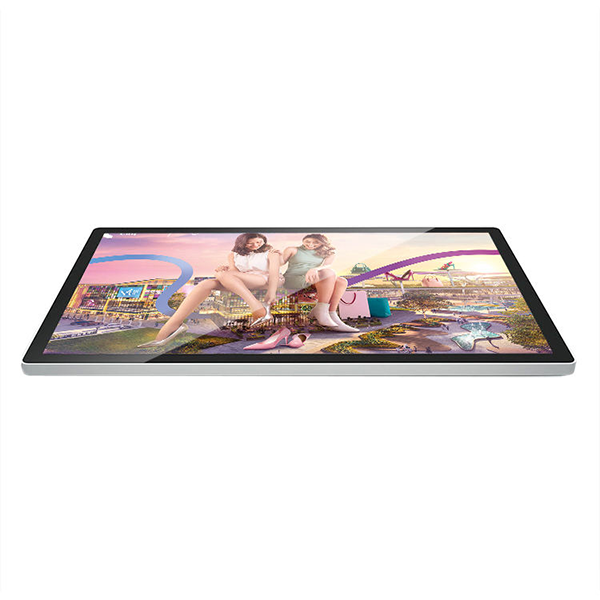
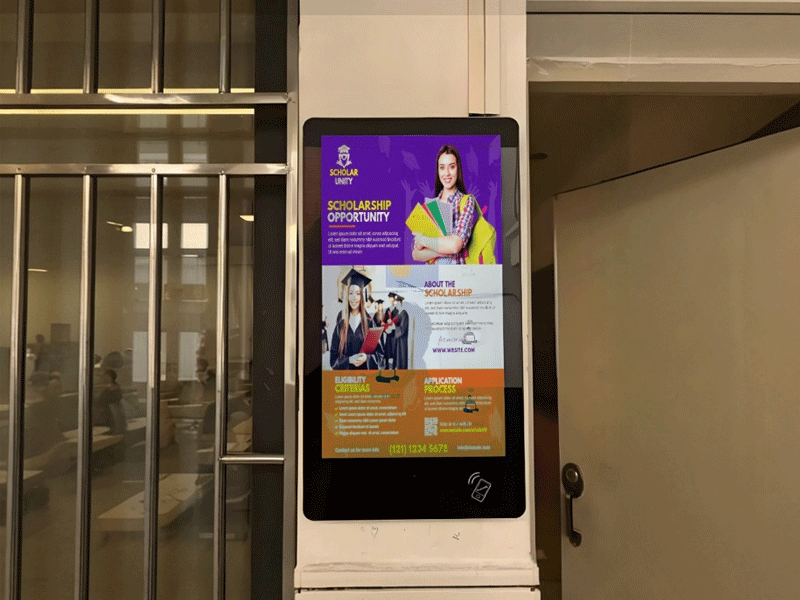
Elektronisches Klassenschild-5
$450
Merkmal: Apple-Monitor-Bildschirm; 3-Bildschirm-Monitor; PC-Monitor Verkauf; msi gebogenen Gaming-Monitor
Größe: 10.1'';13.3'';15.6'';19'';21.5'';27'';32'';50'';55'';18.5'';24'';43'';49'';20cmx20cm;25cmx25cm
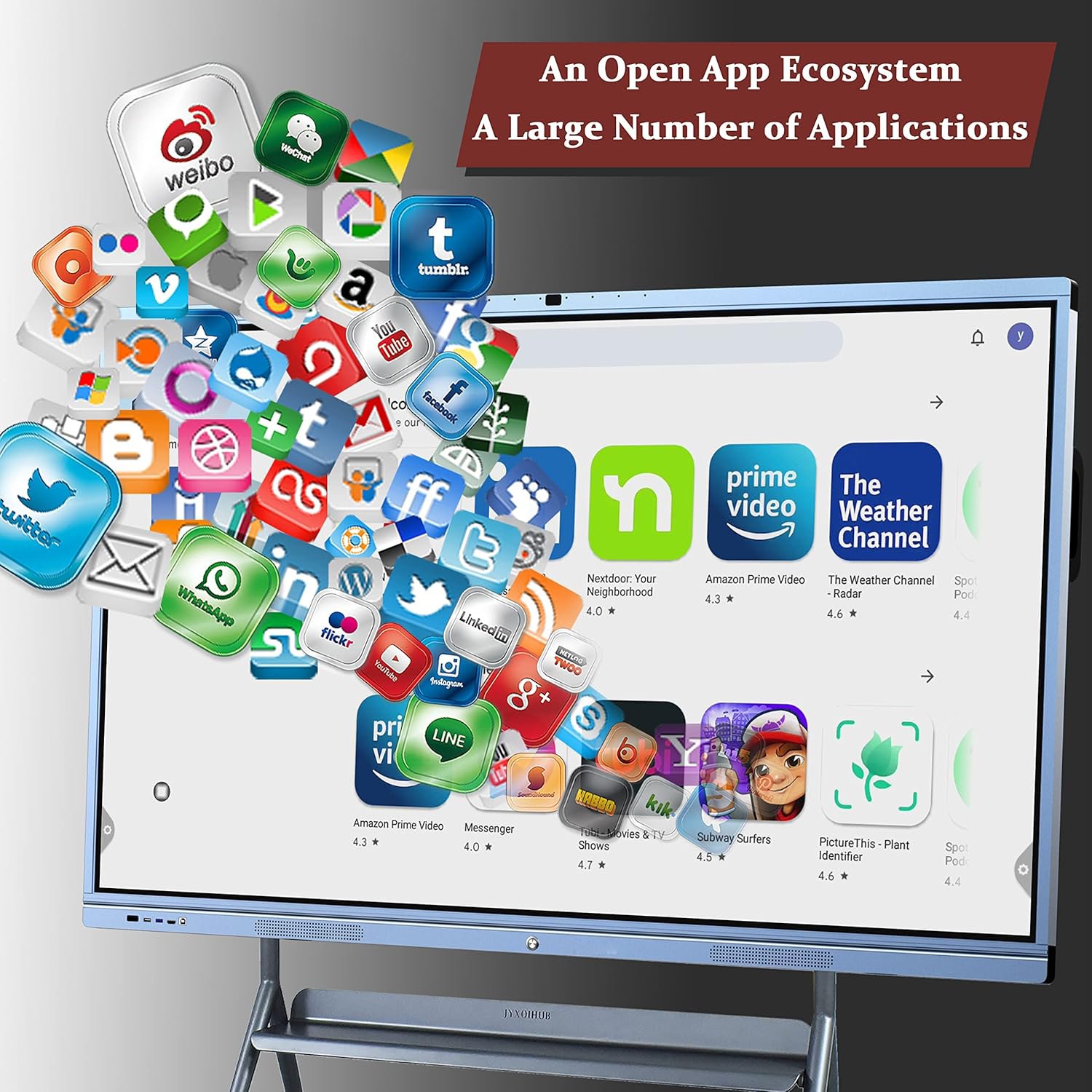
Betriebssystem: Android; Windows
Bildschirm: Touchscreen; Nicht-Touchscreen
Installation: Vertikal; Horizontal; Wandmontage; Tragbar
Typ: Werbemaschine; Digital Signage Display; All-in-One-Lehrmaschine
Product Details
Product Details

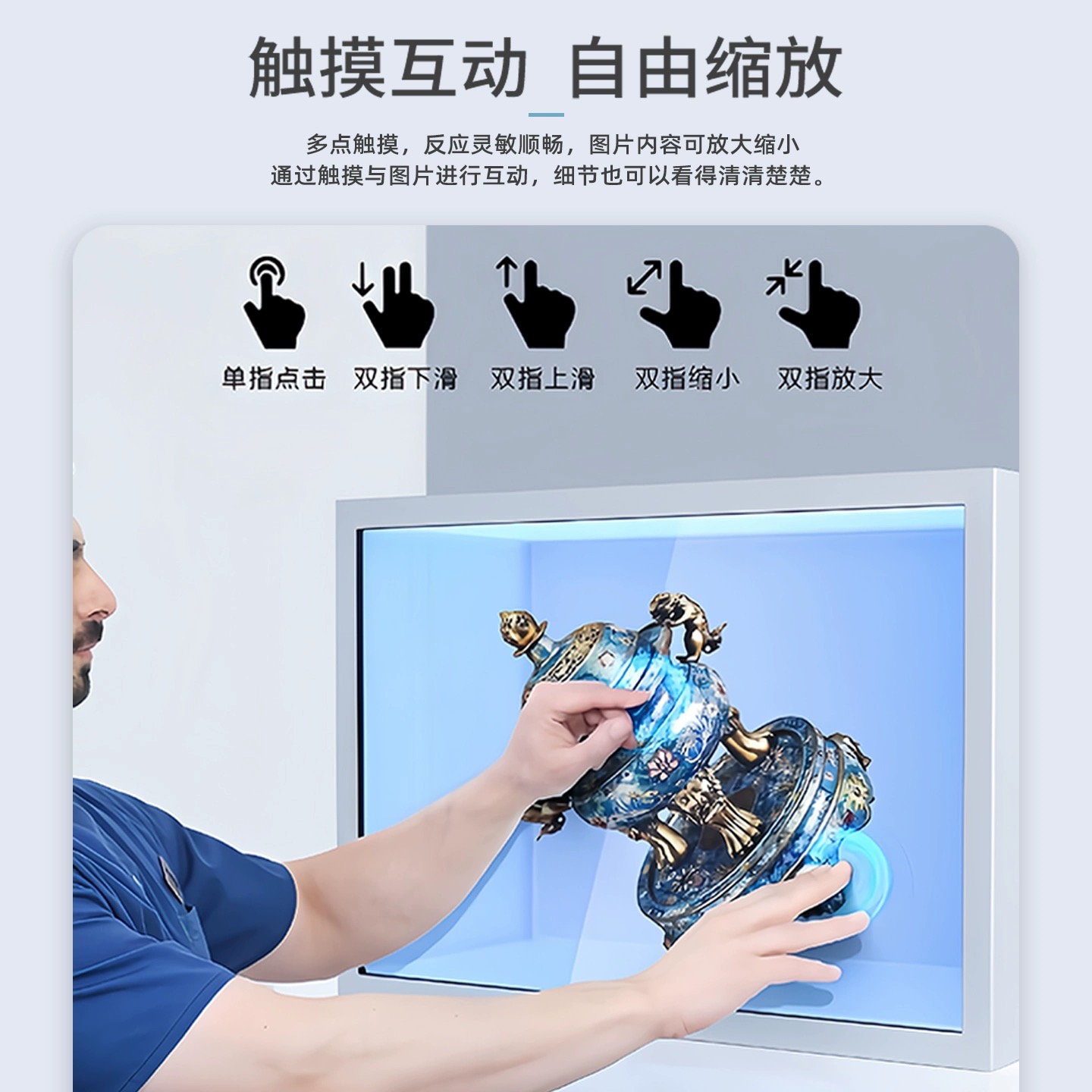
Eine eingehende Untersuchung der kapazitiven 10-Punkt-Berührung mit ≤0,02 mm Präzision in der elektronischen ClassboardsIntroduction: Neudefinition des interaktiven Lernens durch Berührung TechnologyElectronic Klassenzimmer haben sich von statischen Informationsanzeigen zu dynamischen interaktiven Knotenpunkten entwickelt, deren Kernstück die Berührungstechnologie ist. Die Integration der kapazitiven 10-Punkt-Berührung in Kombination mit der Präzision von ≤0,02 mm stellt einen entscheidenden Fortschritt dar, der eine natürliche Mensch-Computer-Interaktion ermöglicht, die mit der kollaborativen und praktischen Natur der modernen Bildung übereinstimmt. Diese Technologie geht über grundlegende Berührungsfunktionen hinaus und bietet ein taktiles Erlebnis, das die Präzision von Stiften auf Papier nachahmt und gleichzeitig das Engagement mehrerer Benutzer unterstützt.Technische Grundlagen: Kapazitive Berührung vs. Präzisionsmetrizen10-Punkt-kapazitive Berührungspanels erkennen Veränderungen in elektromagnetischen Feldern, wenn ein leitfähiges Objekt (z. B. Finger, Stift) mit dem Bildschirm interagiert. Eine 10-Punkt-Fähigkeit bedeutet, dass das Display zehn gleichzeitige Berührungseingaben erkennen und verarbeiten kann, was ermöglicht: Zusammenarbeit mehrerer Schüler (z. B. Gruppenproblemlösung auf einer gemeinsamen mathematischen Gleichung) Gestenbasiertes Lernen (Zwicken zum Zoomen, Wischen zwischen Bildungsmodulen) Lehrer-Schüler-Interaktion (gleichzeitige Annotation durch beide Parteien) ≤0,02mm BerührungspräzisionDiese Metrik bezeichnet die maximale Fehlermarge bei der Berührungslokalisierung, äquivalent zu: Die Dicke eines menschlichen Haares (0,05 mm), wodurch die Genauigkeit fast unwahrnehmbar ist1 / 50 Millimeter eines Millimeters, was eine Handschrift mit 0,1 mm StiftstrichenParität mit professionellen digitalen Zeichentabletts ermöglicht, die traditionell in Designbereichen verwendet werdenKernvorteile in Bildungseinrichtungen1. Unübertroffene interaktive Erfahrung2. Natürliches Schreiben: Lehrer können komplexe Formeln oder kursive Skripte mit der gleichen Präzision wie eine Kreidetafel schreiben, während Schüler Diagramme direkt auf dem Bildschirm kommentieren können. So kann beispielsweise ein Biologielehrer, der Zellstrukturen illustriert, Etiketten mit Multi-User-Effizienz: In einem Klassenzimmer mit 30 Schülern ermöglicht die 10-Punkt-Berührung bis zu zehn Schülern das gleichzeitige Ziehen und Ablegen virtueller Puzzleteile während einer historischen Zeitleistenaktivität, was die Wartezeit verkürzt und das Engagement verbessert.3. Langlebigkeit und Zuverlässigkeit4. Der kapazitiven Technologie fehlen bewegliche Teile, was sie verschleißfester macht als resistive Touchscreens. Dies ist entscheidend für den täglichen Gebrauch in Schulen, wo Displays hunderte Male pro Tag berührt werden können. Die Genauigkeit von ≤0,02 mm bleibt im Laufe der Zeit konstant, da kapazitive Paneele nicht durch Druck abgebaut werden, im Gegensatz zu resistiven Bildschirmen, die physischen Druck zur Registrierung von Berührungen erfordern.5. Verbesserte Zugänglichkeit und Inklusivität6. Schüler mit unterschiedlichen motorischen Fähigkeiten können von der Empfindlichkeit der ≤0,02 mm Berührung profitieren, die minimalen Druck erfordert. Zum Beispiel kann ein Schüler mit einem Stift Tasten aktivieren oder Notizen mit leichten Berührungen schreiben. Die Unterstützung mehrsprachiger Eingaben wird optimiert, da eine präzise Berührung eine genaue Zeichenbildung in Sprachen mit komplexen Skripten (z. B. Chinesisch, Arabisch) ermöglicht.
Technik hinter ≤0,02mm Präzision

Fortschrittliche Sensing Arrays: Kapazitive Panels verwenden dichte Elektrodengitter (bis zu 100 Elektroden pro Zoll), um Berührungspositionen mit einer Genauigkeit im Submillimeterbereich zu triangulieren.

Signalverarbeitungsalgorithmen: Benutzerdefinierte Firmware filtert Rauschen und verbessert das Signal-Rausch-Verhältnis, so dass selbst die leichtesten Berührungen (0,1 N Druck) registriert werden.

Kalibrierungstechnologien: Werkskalibrierte Touch Maps und Echtzeit-Selbstkalibrierung passen sich Temperaturänderungen oder geringfügigen physikalischen Verzerrungen an und behalten ihre Präzision über die Zeit bei.

Schlussfolgerung: Ein Paradigmenwechsel in der pädagogischen Interaktion

Die Kombination aus kapazitivem 10-Punkt-Touch und ≤0,02-mm-Präzision verwandelt elektronische Klassenbretter von passiven Displays in interaktive pädagogische Tools, die die Intuitivität traditioneller Lehrmethoden widerspiegeln - und sie gleichzeitig in Skalierbarkeit und Funktionalität übertreffen. Diese Technologie unterstützt nicht nur die Anforderungen moderner Pädagogik, sondern auch zukunftssichere Klassenzimmer für neue Trends wie spielerisches Lernen, kollaborative MINT-Projekte und integrative Bildung. Während die Bildung weiter digitalisiert wird, sind die taktile Genauigkeit und die Mehrbenutzerfähigkeit dieser Klassenbretter ein Beweis dafür, wie Präzisionstechnologie die Lernerfahrung sowohl für Pädagogen als auch für Schüler verbessern kann.

We use cookie to improve your online experience. By continuing to browse this website, you agree to our use of cookie.

Cookies

Please read our Terms and Conditions and this Policy before accessing or using our Services. If you cannot agree with this Policy or the Terms and Conditions, please do not access or use our Services. If you are located in a jurisdiction outside the European Economic Area, by using our Services, you accept the Terms and Conditions and accept our privacy practices described in this Policy.
We may modify this Policy at any time, without prior notice, and changes may apply to any Personal Information we already hold about you, as well as any new Personal Information collected after the Policy is modified. If we make changes, we will notify you by revising the date at the top of this Policy. We will provide you with advanced notice if we make any material changes to how we collect, use or disclose your Personal Information that impact your rights under this Policy. If you are located in a jurisdiction other than the European Economic Area, the United Kingdom or Switzerland (collectively “European Countries”), your continued access or use of our Services after receiving the notice of changes, constitutes your acknowledgement that you accept the updated Policy. In addition, we may provide you with real time disclosures or additional information about the Personal Information handling practices of specific parts of our Services. Such notices may supplement this Policy or provide you with additional choices about how we process your Personal Information.


Cookies

Cookies are small text files stored on your device when you access most Websites on the internet or open certain emails. Among other things, Cookies allow a Website to recognize your device and remember if you've been to the Website before. Examples of information collected by Cookies include your browser type and the address of the Website from which you arrived at our Website as well as IP address and clickstream behavior (that is the pages you view and the links you click).We use the term cookie to refer to Cookies and technologies that perform a similar function to Cookies (e.g., tags, pixels, web beacons, etc.). Cookies can be read by the originating Website on each subsequent visit and by any other Website that recognizes the cookie. The Website uses Cookies in order to make the Website easier to use, to support a better user experience, including the provision of information and functionality to you, as well as to provide us with information about how the Website is used so that we can make sure it is as up to date, relevant, and error free as we can. Cookies on the Website We use Cookies to personalize your experience when you visit the Site, uniquely identify your computer for security purposes, and enable us and our third-party service providers to serve ads on our behalf across the internet.

We classify Cookies in the following categories:
 ●  Strictly Necessary Cookies
 ●  Performance Cookies
 ●  Functional Cookies
 ●  Targeting Cookies


Cookie List
A cookie is a small piece of data (text file) that a website – when visited by a user – asks your browser to store on your device in order to remember information about you, such as your language preference or login information. Those cookies are set by us and called first-party cookies. We also use third-party cookies – which are cookies from a domain different than the domain of the website you are visiting – for our advertising and marketing efforts. More specifically, we use cookies and other tracking technologies for the following purposes:

Strictly Necessary Cookies
These cookies are necessary for the website to function and cannot be switched off in our systems. They are usually only set in response to actions made by you which amount to a request for services, such as setting your privacy preferences, logging in or filling in forms. You can set your browser to block or alert you about these cookies, but some parts of the site will not then work. These cookies do not store any personally identifiable information.

Functional Cookies
These cookies enable the website to provide enhanced functionality and personalisation. They may be set by us or by third party providers whose services we have added to our pages. If you do not allow these cookies then some or all of these services may not function properly.

Performance Cookies
These cookies allow us to count visits and traffic sources so we can measure and improve the performance of our site. They help us to know which pages are the most and least popular and see how visitors move around the site. All information these cookies collect is aggregated and therefore anonymous. If you do not allow these cookies we will not know when you have visited our site, and will not be able to monitor its performance.

Targeting Cookies
These cookies may be set through our site by our advertising partners. They may be used by those companies to build a profile of your interests and show you relevant adverts on other sites. They do not store directly personal information, but are based on uniquely identifying your browser and internet device. If you do not allow these cookies, you will experience less targeted advertising.

How To Turn Off Cookies
You can choose to restrict or block Cookies through your browser settings at any time. Please note that certain Cookies may be set as soon as you visit the Website, but you can remove them using your browser settings. However, please be aware that restricting or blocking Cookies set on the Website may impact the functionality or performance of the Website or prevent you from using certain services provided through the Website. It will also affect our ability to update the Website to cater for user preferences and improve performance. Cookies within Mobile Applications

We only use Strictly Necessary Cookies on our mobile applications. These Cookies are critical to the functionality of our applications, so if you block or delete these Cookies you may not be able to use the application. These Cookies are not shared with any other application on your mobile device. We never use the Cookies from the mobile application to store personal information about you.

If you have questions or concerns regarding any information in this Privacy Policy, please contact us by email at . You can also contact us via our customer service at our Site.